
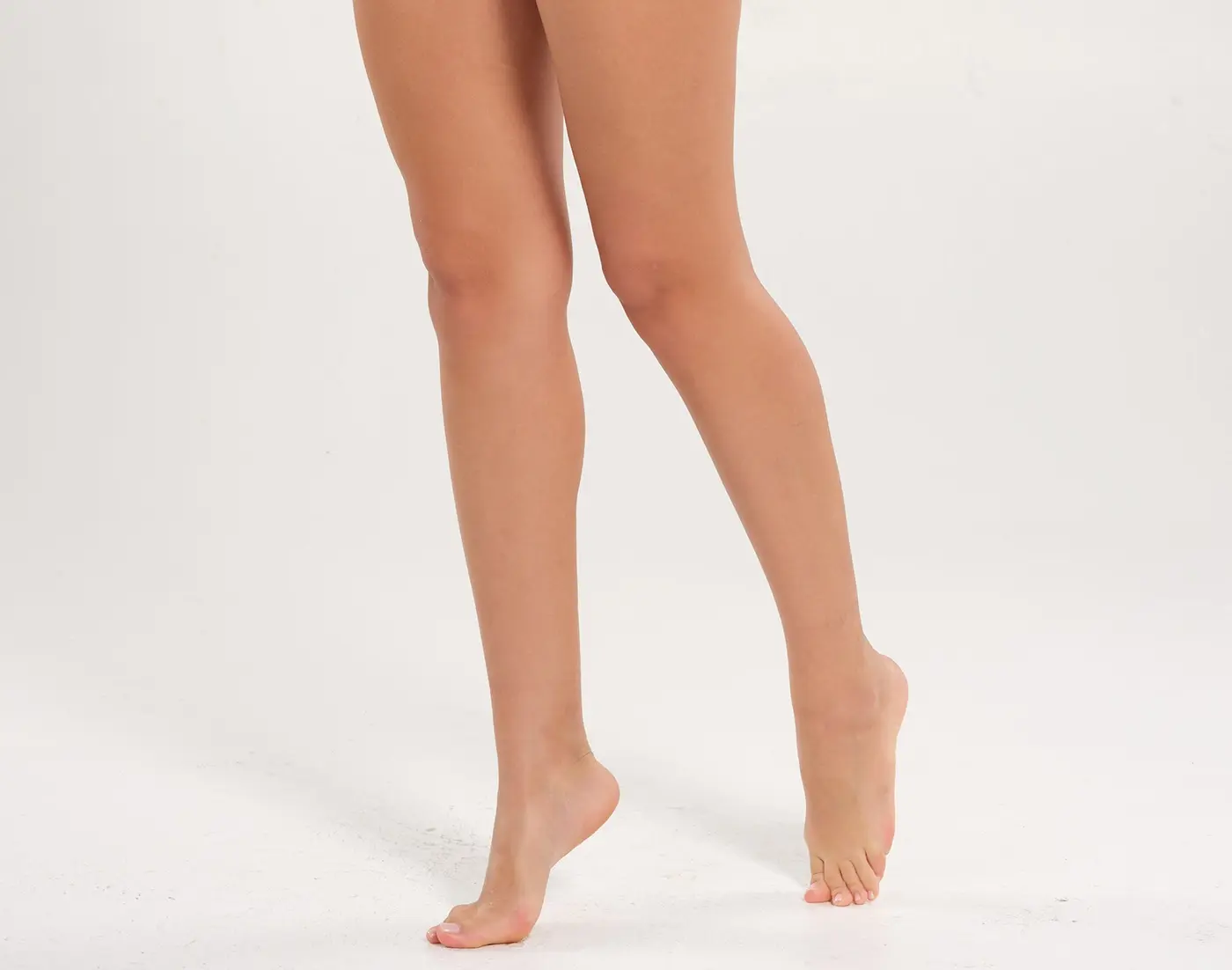
Liposuction on the Calves
Suctioning of the calves for the treatment of lymphedema enjoys a special status in surgical therapy. The suctioning of the calves, the outer and inner sides of the calves, as well as the shin region requires a specific approach and tailored aftercare to reduce the strains for the patient.
By reducing the layer of fat tissue in this area, the inner and outer ankles become visible again and are defined in the contour. The liposuction of the entire area leads to a slim calf and thus to an optical elongation of the legs. Those affected also benefit psychologically to a remarkable extent from the operation. The liposuction of the calves produces the highest satisfaction rates in follow-up examinations.
Liposuction on the Calves
Suctioning of the calves for the treatment of lymphedema enjoys a special status in surgical therapy. The suctioning of the calves, the outer and inner sides of the calves, as well as the shin region requires a specific approach and tailored aftercare to reduce the strains for the patient.
By reducing the layer of fat tissue in this area, the inner and outer ankles become visible again and are defined in the contour. The liposuction of the entire area leads to a slim calf and thus to an optical elongation of the legs. Those affected also benefit psychologically to a remarkable extent from the operation. The liposuction of the calves produces the highest satisfaction rates in follow-up examinations.
Liposuction on the Calves
Suctioning of the calves for the treatment of lymphedema enjoys a special status in surgical therapy. The suctioning of the calves, the outer and inner sides of the calves, as well as the shin region requires a specific approach and tailored aftercare to reduce the strains for the patient.
By reducing the layer of fat tissue in this area, the inner and outer ankles become visible again and are defined in the contour. The liposuction of the entire area leads to a slim calf and thus to an optical elongation of the legs. Those affected also benefit psychologically to a remarkable extent from the operation. The liposuction of the calves produces the highest satisfaction rates in follow-up examinations.
The Operation
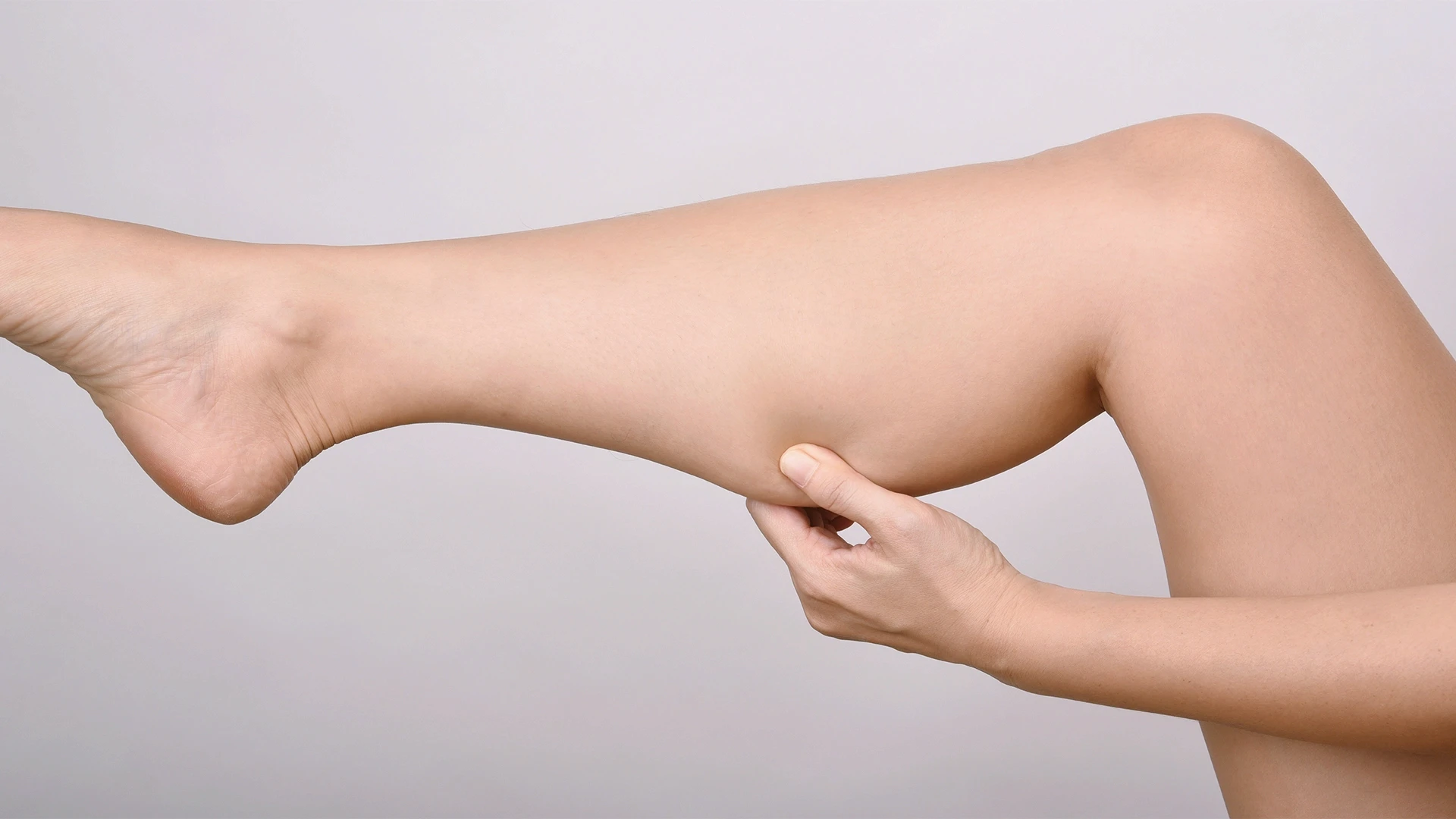
Liposuction on the calves is deliberately not performed in our partner clinic, as this procedure is medically associated with increased risks. The calf area is heavily permeated with fine nerves, blood vessels and muscle fibers – making the anatomical structure very sensitive. Even the smallest imbalances during fat removal can lead to visible asymmetries, indentations or sensory disturbances.
In addition, healing in this region of the body is significantly slower than in other areas such as the abdomen, hips or chin. Swelling, feelings of tension or long-lasting pain often occur. The risk of bruising or circulatory disorders is also increased. For these reasons, our partner surgeons recommend using alternative body regions where liposuction can be performed medically more safely and with more predictable aesthetic results.
The Operation
Liposuction on the calves is deliberately not performed in our partner clinic, as this procedure is medically associated with increased risks. The calf area is heavily permeated with fine nerves, blood vessels and muscle fibers – making the anatomical structure very sensitive. Even the smallest imbalances during fat removal can lead to visible asymmetries, indentations or sensory disturbances.
In addition, healing in this region of the body is significantly slower than in other areas such as the abdomen, hips or chin. Swelling, feelings of tension or long-lasting pain often occur. The risk of bruising or circulatory disorders is also increased. For these reasons, our partner surgeons recommend using alternative body regions where liposuction can be performed medically more safely and with more predictable aesthetic results.
The Operation
Liposuction on the calves is deliberately not performed in our partner clinic, as this procedure is medically associated with increased risks. The calf area is heavily permeated with fine nerves, blood vessels and muscle fibers – making the anatomical structure very sensitive. Even the smallest imbalances during fat removal can lead to visible asymmetries, indentations or sensory disturbances.
In addition, healing in this region of the body is significantly slower than in other areas such as the abdomen, hips or chin. Swelling, feelings of tension or long-lasting pain often occur. The risk of bruising or circulatory disorders is also increased. For these reasons, our partner surgeons recommend using alternative body regions where liposuction can be performed medically more safely and with more predictable aesthetic results.
| Before and After the Operation
What happens before and after the procedure?
Before the operation, we will inform you in a conversation about the course of the surgery, the risks, and the aftercare. Our internist will conduct a preoperative examination with a blood draw, ECG examination, and an analysis of your health status.
Liposuction on the calves will not be performed, as this area is very sensitive and carries a high risk of nerve injuries, uneven results, and prolonged healing processes.
After a total of 5 days, you can return from Turkey. Starting from the second week, you can resume normal activities. During this time, no sports activities may be carried out. The scars should not be exposed to sunlight or tanning bed radiation for two to three months.
| Before and After the Operation
What happens before and after the procedure?
Before the operation, we will inform you in a conversation about the course of the surgery, the risks, and the aftercare. Our internist will conduct a preoperative examination with a blood draw, ECG examination, and an analysis of your health status.
Liposuction on the calves will not be performed, as this area is very sensitive and carries a high risk of nerve injuries, uneven results, and prolonged healing processes.
After a total of 5 days, you can return from Turkey. Starting from the second week, you can resume normal activities. During this time, no sports activities may be carried out. The scars should not be exposed to sunlight or tanning bed radiation for two to three months.
| Before and After the Operation
What happens before and after the procedure?
Before the operation, we will inform you in a conversation about the course of the surgery, the risks, and the aftercare. Our internist will conduct a preoperative examination with a blood draw, ECG examination, and an analysis of your health status.
Liposuction on the calves will not be performed, as this area is very sensitive and carries a high risk of nerve injuries, uneven results, and prolonged healing processes.
After a total of 5 days, you can return from Turkey. Starting from the second week, you can resume normal activities. During this time, no sports activities may be carried out. The scars should not be exposed to sunlight or tanning bed radiation for two to three months.
| Healing phase
Liposuction on the Calves
Operation duration
approx. 2-5 hours
Anesthesia
Full
Stay in Istanbul
5 days
Socially acceptable
1 week
| Healing phase
Liposuction on the Calves
Operation duration
approx. 2-5 hours
Anesthesia
Full
Stay in Istanbul
5 days
Socially acceptable
1 week
| Healing phase
Liposuction on the Calves
Operation duration
approx. 2-5 hours
Anesthesia
Full
Stay in Istanbul
5 days
Socially acceptable
1 week
| Contact us Today
Plan your online meeting with us
Book a consultation appointment and get closer to your journey towards a breathtaking transformation.

| Contact us Today
Plan your online meeting with us
Book a consultation appointment and get closer to your journey towards a breathtaking transformation.
| Contact us Today
Plan your online meeting with us
Book a consultation appointment and get closer to your journey towards a breathtaking transformation.
| FAQ
Frequently Asked Questions
Do you have any questions?
Can't find the right answer? Just write us a message on WhatsApp and we will get back to you as soon as possible!
Ask via WhatsApp
Is liposuction on the calves dangerous?
Yes, liposuction on the calves is considered a high-risk procedure, as this area contains many nerves, blood vessels, and muscle fibers. Even small imbalances during fat removal can lead to asymmetries, sensory disturbances, or longer healing phases.
Why is liposuction on the calves not recommended?
Our partner specialists advise against this procedure because healing in the calf region is significantly slower and complications such as swelling, bruising, or nerve irritation occur more frequently. Instead, safe and effectively shapable body areas such as the abdomen, hips, or thighs are recommended.
Can fat be sucked out of the calves?
In principle, liposuction on the calves is technically possible – however, it is associated with significantly higher risks. Surgeons who routinely offer this procedure often do so for economic reasons and not out of medical conviction. Reputable specialists advise against it, as the tissue in this area is very sensitive and liposuction there can easily lead to nerve damage, irregularities, or lengthy healing processes.
When are the results of the liposuction on the calves visible?
The healing process after liposuction on the calves takes significantly longer than in other body regions. In the first weeks, swelling, feelings of tension, and hardening are common. Visible results usually only become apparent after several months, when the tissue has fully subsided and the skin has regained its elasticity. Therefore, the calf area is considered one of the most difficult zones for liposuction, with a long healing course and unpredictable final outcome.
Does the patient need to pay attention to something after liposuction?
To stabilize the result permanently, the affected person should maintain a stable weight and exercise regularly. Many patients also change their lifestyle, eating healthier than before, to avoid risking the new body shape.
| FAQ
Frequently Asked Questions
Is liposuction on the calves dangerous?
Yes, liposuction on the calves is considered a high-risk procedure, as this area contains many nerves, blood vessels, and muscle fibers. Even small imbalances during fat removal can lead to asymmetries, sensory disturbances, or longer healing phases.
Why is liposuction on the calves not recommended?
Our partner specialists advise against this procedure because healing in the calf region is significantly slower and complications such as swelling, bruising, or nerve irritation occur more frequently. Instead, safe and effectively shapable body areas such as the abdomen, hips, or thighs are recommended.
Can fat be sucked out of the calves?
In principle, liposuction on the calves is technically possible – however, it is associated with significantly higher risks. Surgeons who routinely offer this procedure often do so for economic reasons and not out of medical conviction. Reputable specialists advise against it, as the tissue in this area is very sensitive and liposuction there can easily lead to nerve damage, irregularities, or lengthy healing processes.
When are the results of the liposuction on the calves visible?
The healing process after liposuction on the calves takes significantly longer than in other body regions. In the first weeks, swelling, feelings of tension, and hardening are common. Visible results usually only become apparent after several months, when the tissue has fully subsided and the skin has regained its elasticity. Therefore, the calf area is considered one of the most difficult zones for liposuction, with a long healing course and unpredictable final outcome.
Does the patient need to pay attention to something after liposuction?
To stabilize the result permanently, the affected person should maintain a stable weight and exercise regularly. Many patients also change their lifestyle, eating healthier than before, to avoid risking the new body shape.
Do you have any questions?
Can't find the right answer? Just write us a message on WhatsApp and we will get back to you as soon as possible!
Ask via WhatsApp
| FAQ
Frequently Asked Questions
Is liposuction on the calves dangerous?
Yes, liposuction on the calves is considered a high-risk procedure, as this area contains many nerves, blood vessels, and muscle fibers. Even small imbalances during fat removal can lead to asymmetries, sensory disturbances, or longer healing phases.
Why is liposuction on the calves not recommended?
Our partner specialists advise against this procedure because healing in the calf region is significantly slower and complications such as swelling, bruising, or nerve irritation occur more frequently. Instead, safe and effectively shapable body areas such as the abdomen, hips, or thighs are recommended.
Can fat be sucked out of the calves?
In principle, liposuction on the calves is technically possible – however, it is associated with significantly higher risks. Surgeons who routinely offer this procedure often do so for economic reasons and not out of medical conviction. Reputable specialists advise against it, as the tissue in this area is very sensitive and liposuction there can easily lead to nerve damage, irregularities, or lengthy healing processes.
When are the results of the liposuction on the calves visible?
The healing process after liposuction on the calves takes significantly longer than in other body regions. In the first weeks, swelling, feelings of tension, and hardening are common. Visible results usually only become apparent after several months, when the tissue has fully subsided and the skin has regained its elasticity. Therefore, the calf area is considered one of the most difficult zones for liposuction, with a long healing course and unpredictable final outcome.
Does the patient need to pay attention to something after liposuction?
To stabilize the result permanently, the affected person should maintain a stable weight and exercise regularly. Many patients also change their lifestyle, eating healthier than before, to avoid risking the new body shape.
Do you have any questions?
Can't find the right answer? Just write us a message on WhatsApp and we will get back to you as soon as possible!
Ask via WhatsApp
Request now

Your Beauty and Health Agency
since 2006
The treatments are carried out in contractually bound health facilities approved for international health tourism.
Opening hours
Office - London 128 City Road, EC1V 2NX
Monday to Friday: 9:00 AM – 6:00 PM Saturday: 10:00 AM – 2:00 PM
Consulting center since 2008.
TÜV certified since 2012
Certificate for International Health Tourism
Your Beauty and Medical Agency since 2006
The treatments are carried out in contractually bound health facilities approved for international health tourism.
Opening hours
Office - London 128 City Road, EC1V 2NX
Monday to Friday: 9:00 AM – 6:00 PM Saturday: 10:00 AM – 2:00 PM
Consulting center since 2008.
TÜV certified since 2012
Certificate for International Health Tourism
Copyright © Beauty Travels 24 2006-2026
Your Beauty and Medical Agency since 2006
The treatments are carried out in contractually bound health facilities approved for international health tourism.
Opening hours
Office - London 128 City Road, EC1V 2NX
Monday to Friday: 9:00 AM – 6:00 PM Saturday: 10:00 AM – 2:00 PM
Consulting center since 2008.
TÜV certified since 2012
Certificate for International Health Tourism