

Lens implantation in Turkey
Say goodbye to your glasses once and for all!
Short treatment duration – clear vision in just a few days
Premium brand implants from Alcon, Zeiss, EDOF, and many more.
Communication in German with the treating physician
Over 150,000 successful lens implantations




Lens implantation in Turkey
Say goodbye to your glasses once and for all!
Short treatment duration – clear vision in just a few days
Premium brand implants from Alcon, Zeiss, EDOF, and many more.
Communication in German with the treating physician
Over 150,000 successful lens implantations
Lens implantation in Turkey
Say goodbye to your glasses once and for all!

Short treatment duration – clear vision in just a few days
Premium brand implants from Alcon, Zeiss, EDOF, and many more.
Communication in German with the treating physician
Over 150,000 successful lens implantations

GoogleScore 4.9
| Eye Treatments in Turkey
Lens implantation with experience and specialization


Over 150,000 successfully carried out eye treatments
Daily practice ensures top-notch quality!

By your side since 2006, TÜV certified
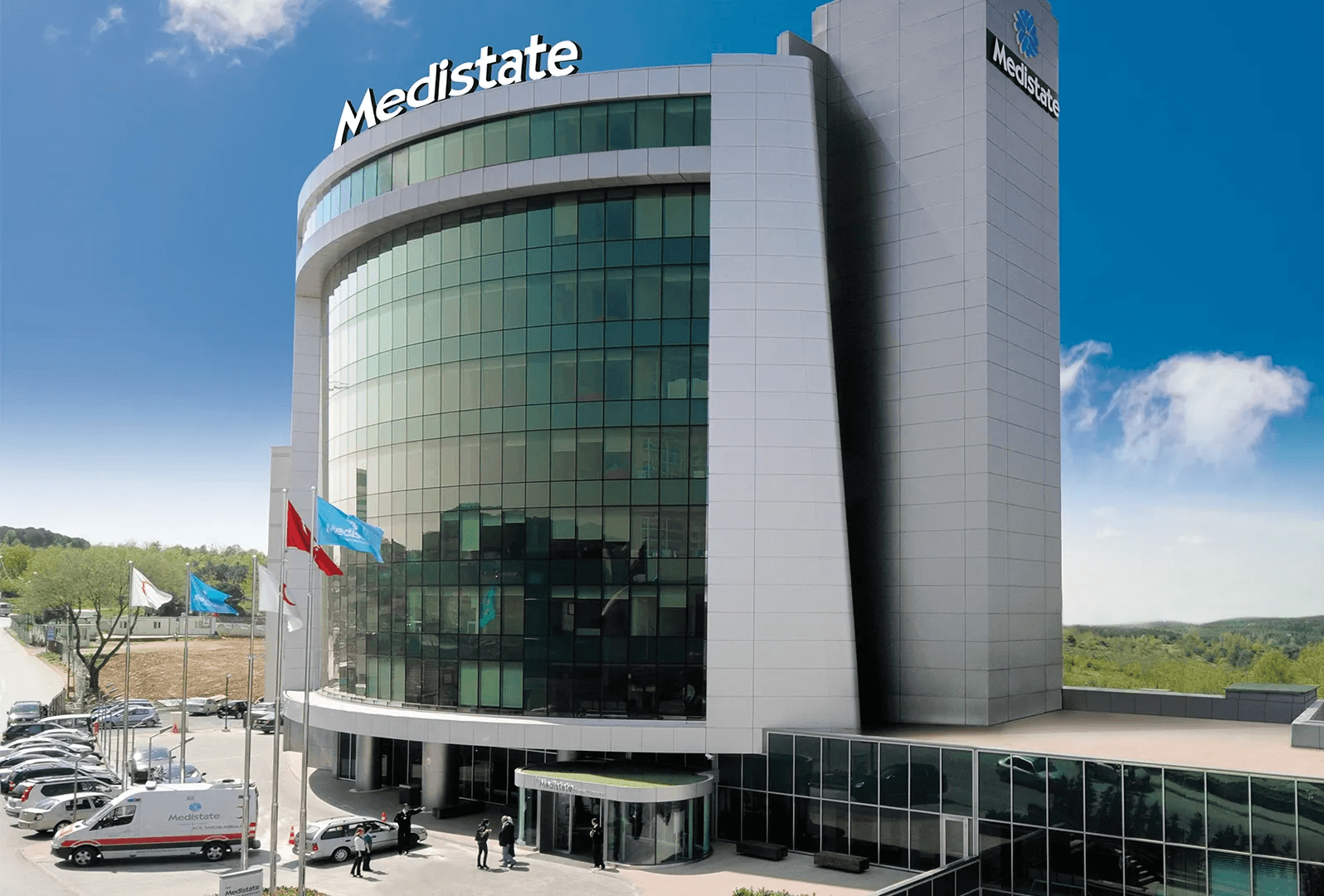
JCI-certified, modern high-tech clinic
No advance payment, financing possible
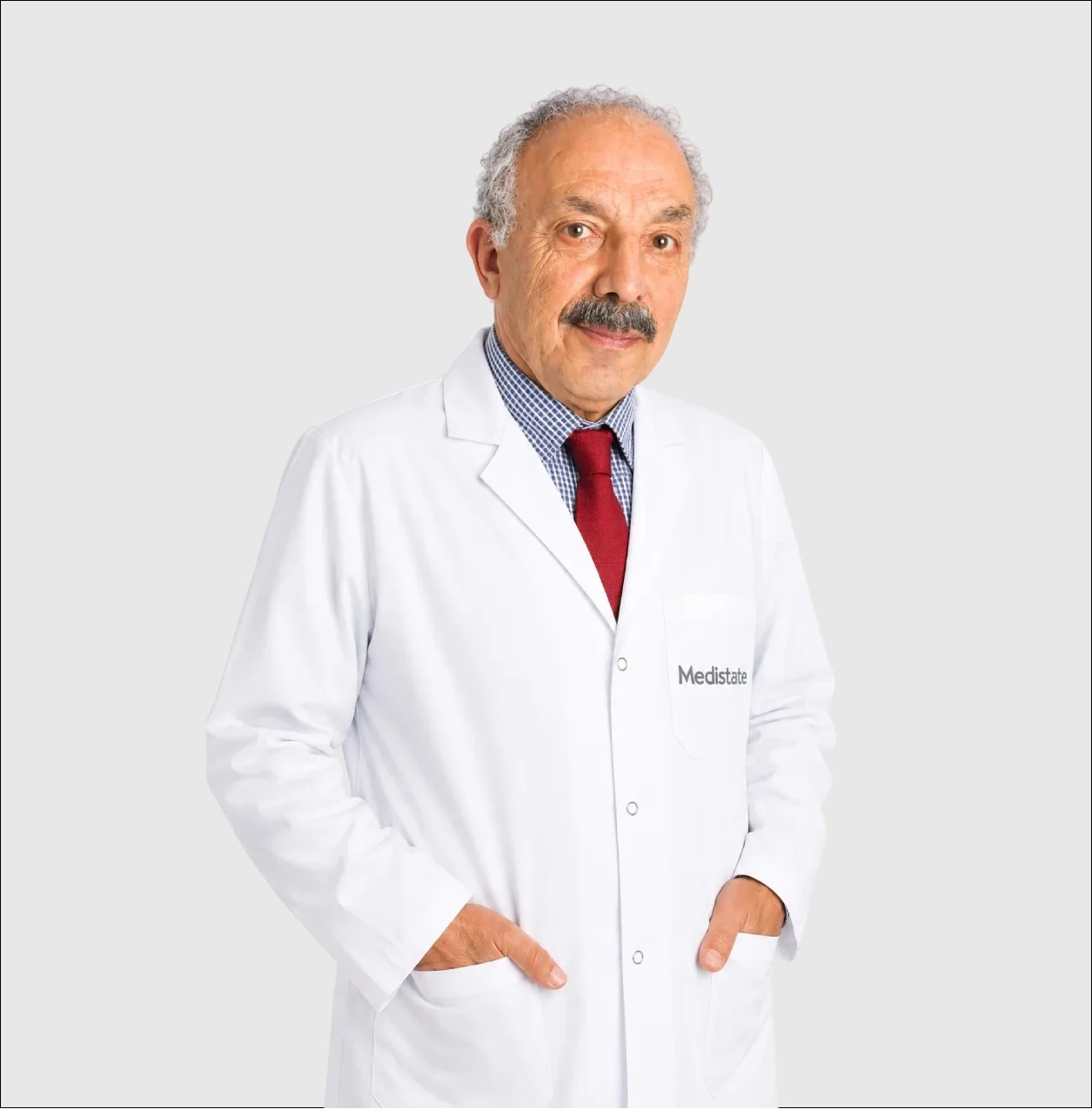
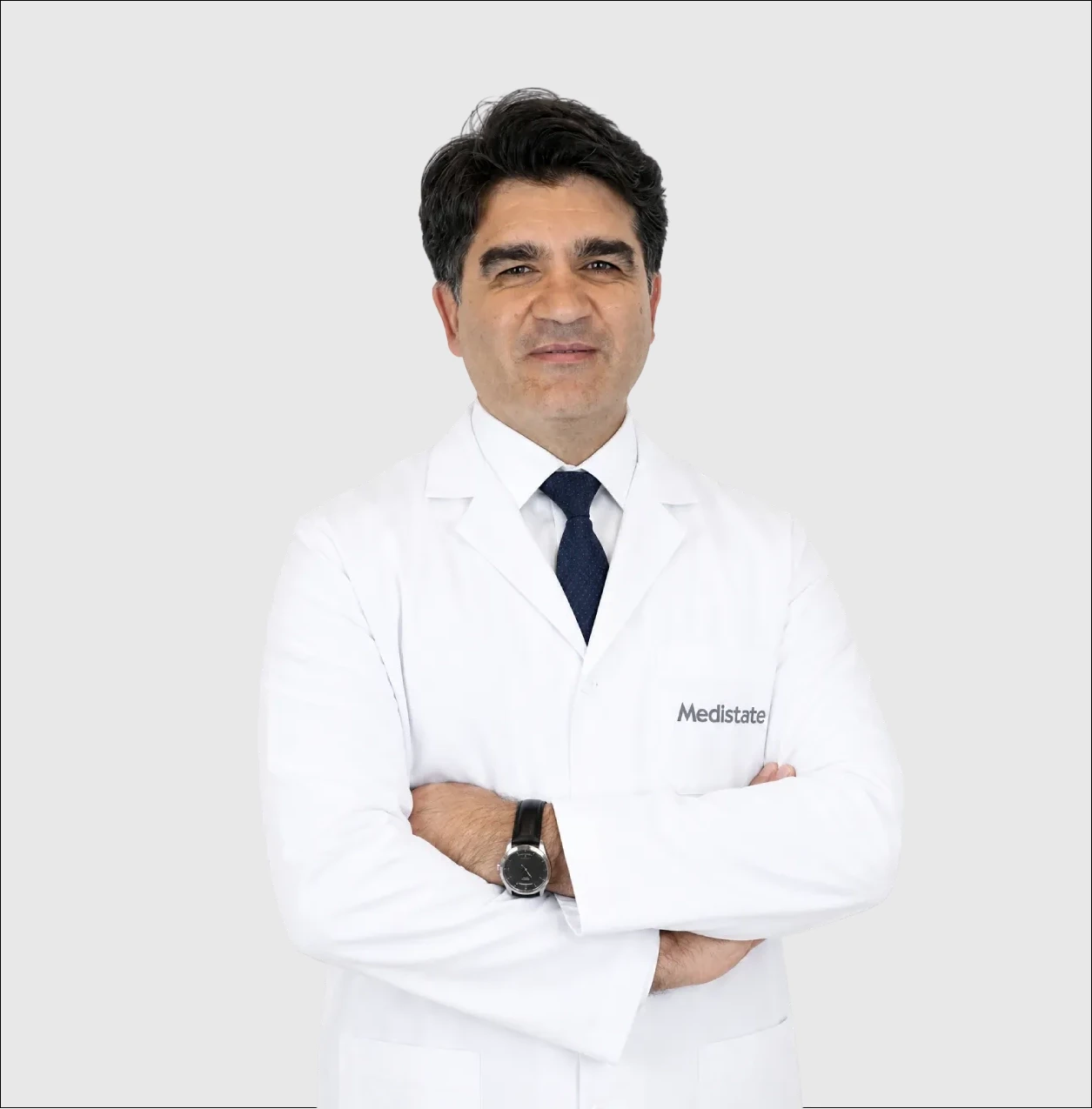

Eye surgery performed exclusively by specialized refractive surgeons
| Eye Treatments in Turkey
Lens implantation with experience and specialization
Over 150,000 successfully carried out eye treatments
Daily practice ensures top-notch quality!
By your side since 2006, TÜV certified
JCI-certified, modern high-tech clinic
No advance payment, financing possible
Eye surgery performed exclusively by specialized refractive surgeons
| Eye Treatments in Turkey
Lens implantation with experience and specialization
Over 150,000 successfully carried out eye treatments
Daily practice ensures top-notch quality!
By your side since 2006, TÜV certified
JCI-certified, modern high-tech clinic
No advance payment, financing possible
Eye surgery performed exclusively by specialized refractive surgeons
| Experience guarantees quality
Medical Specialization at the Highest Level
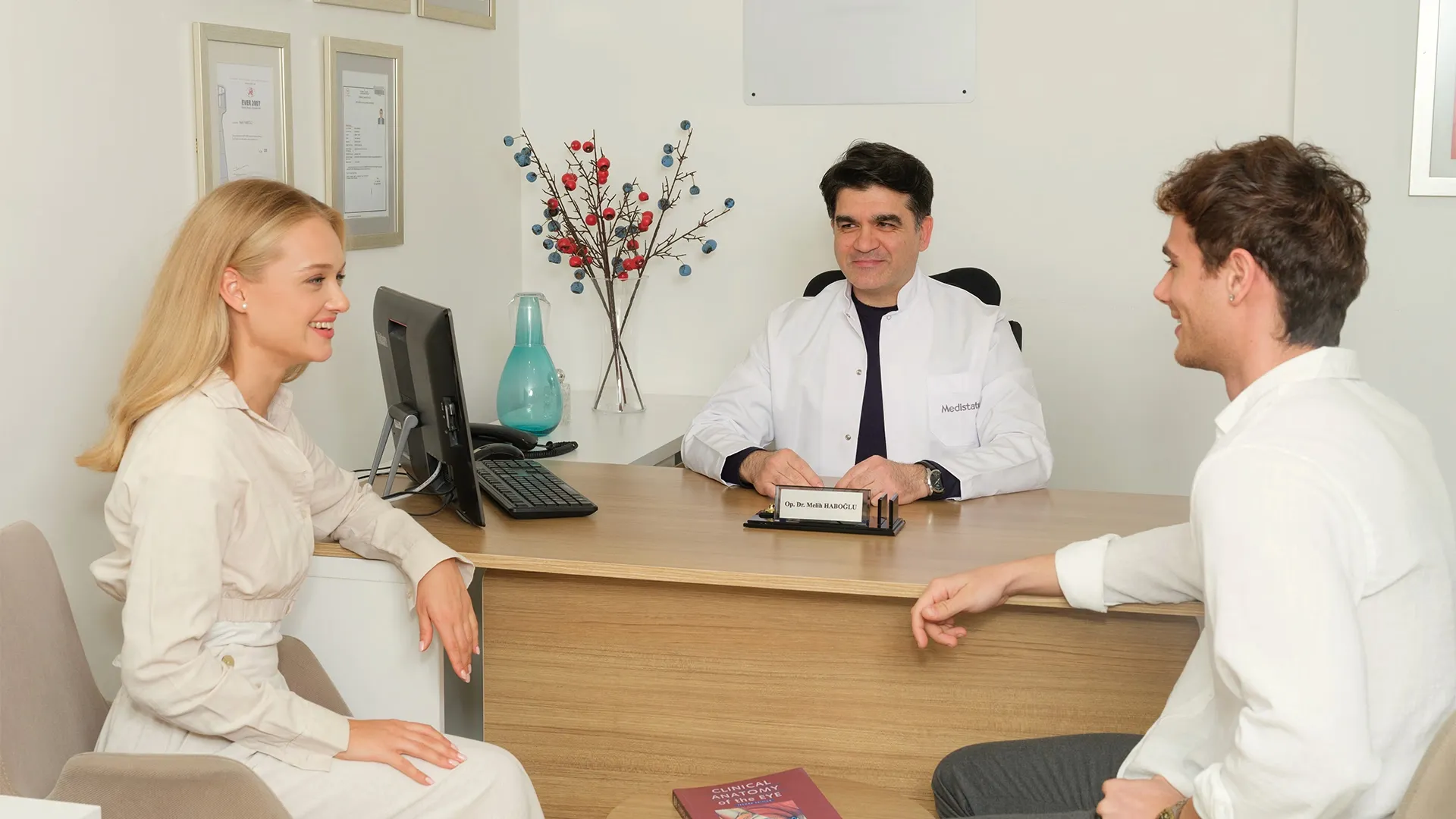
Our partner ophthalmologists specialize in refractive ophthalmology and have been performing lens implantations with the highest precision for many years. We only use premium brand implants from leading manufacturers such as Alcon, Zeiss, and EDOF. Over 100,000 successful treatments, daily surgical experience, and state-of-the-art technology ensure a particularly safe, reliable, and high-quality treatment – for your clear vision.
Partner clinic ophthalmologists:
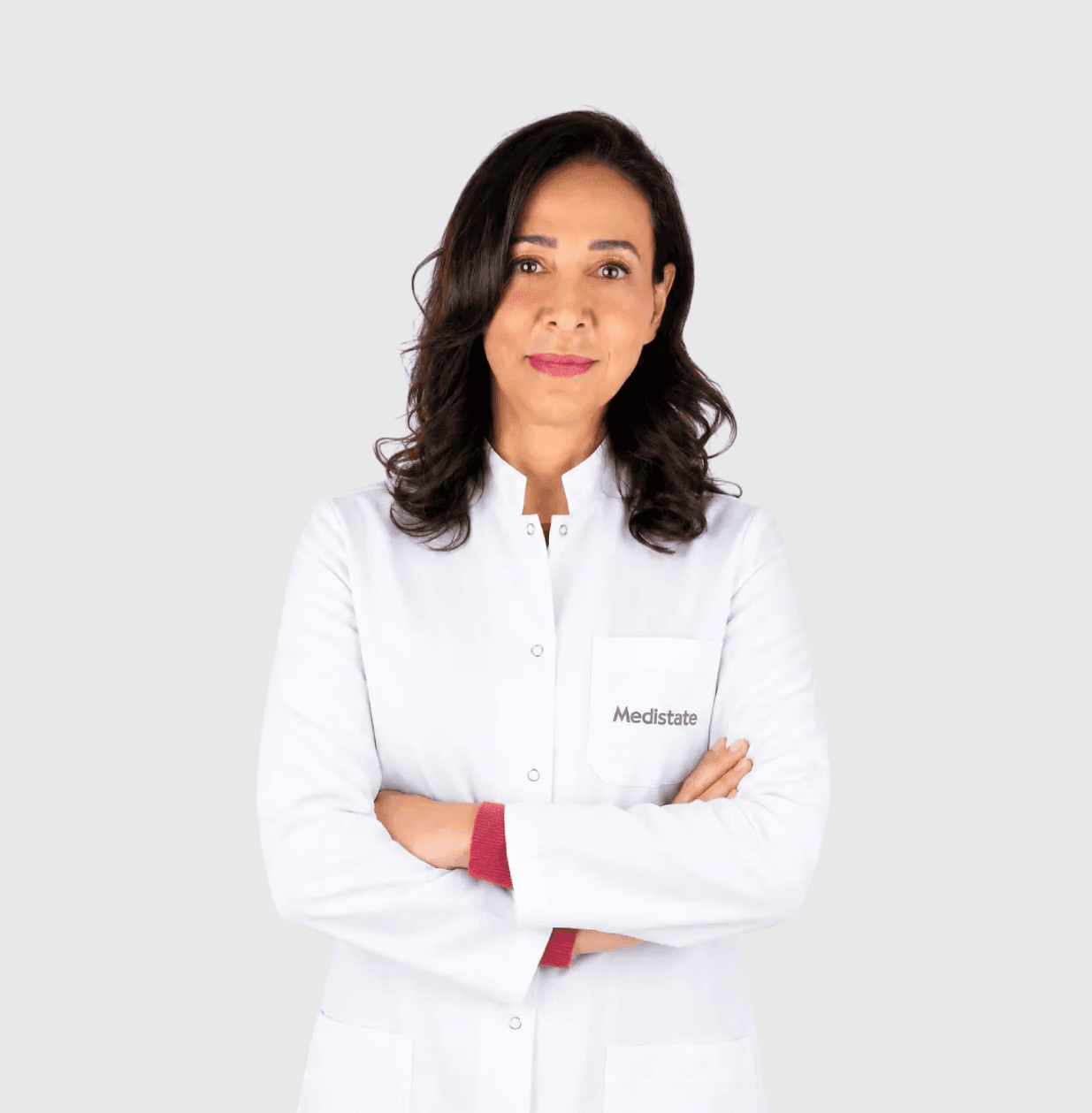
Prof. Dr. Yelda Buyru
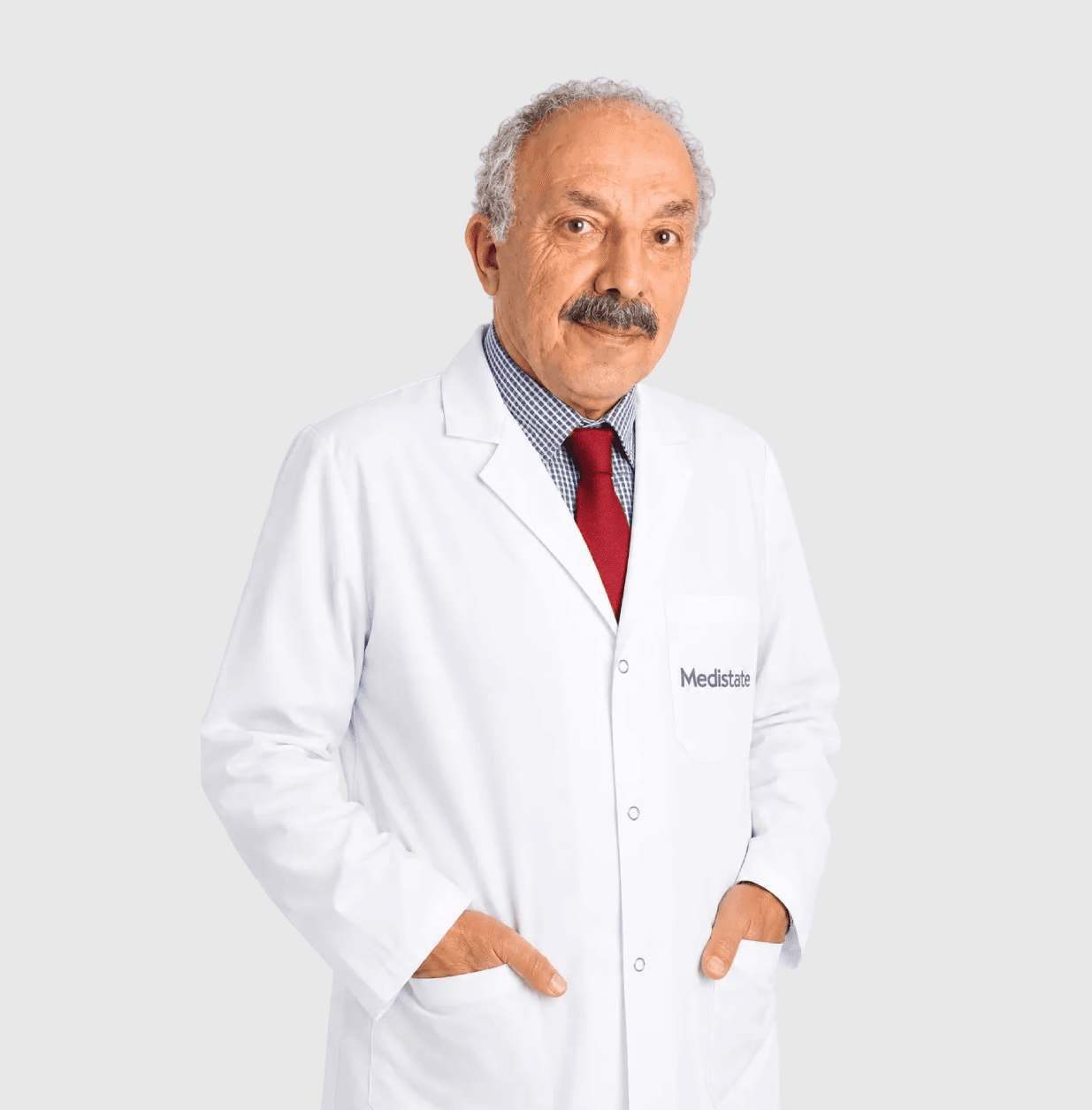
Assoc. Prof. Selim Genç
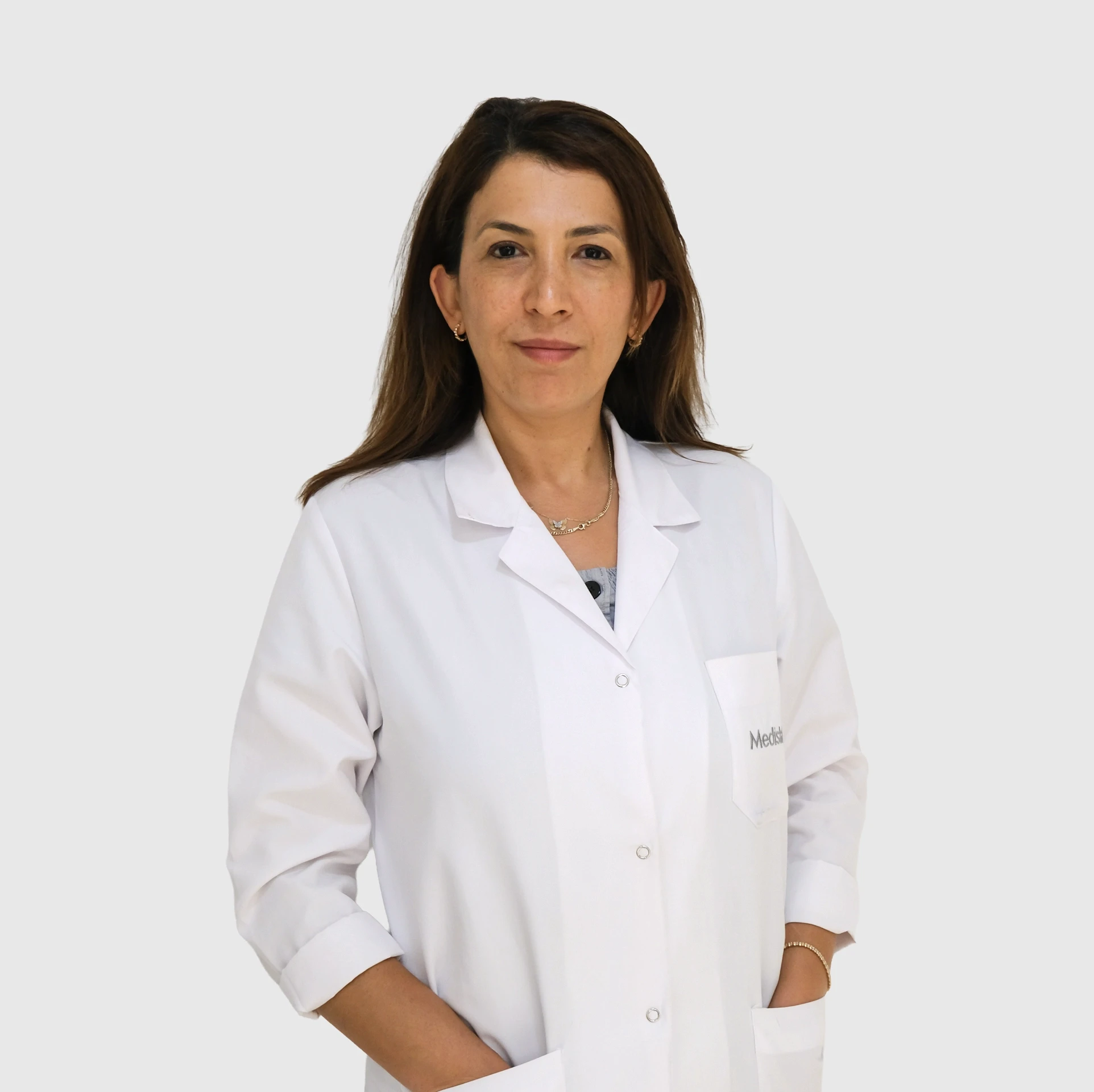
Dr. Mediha Tok Çevik, MD
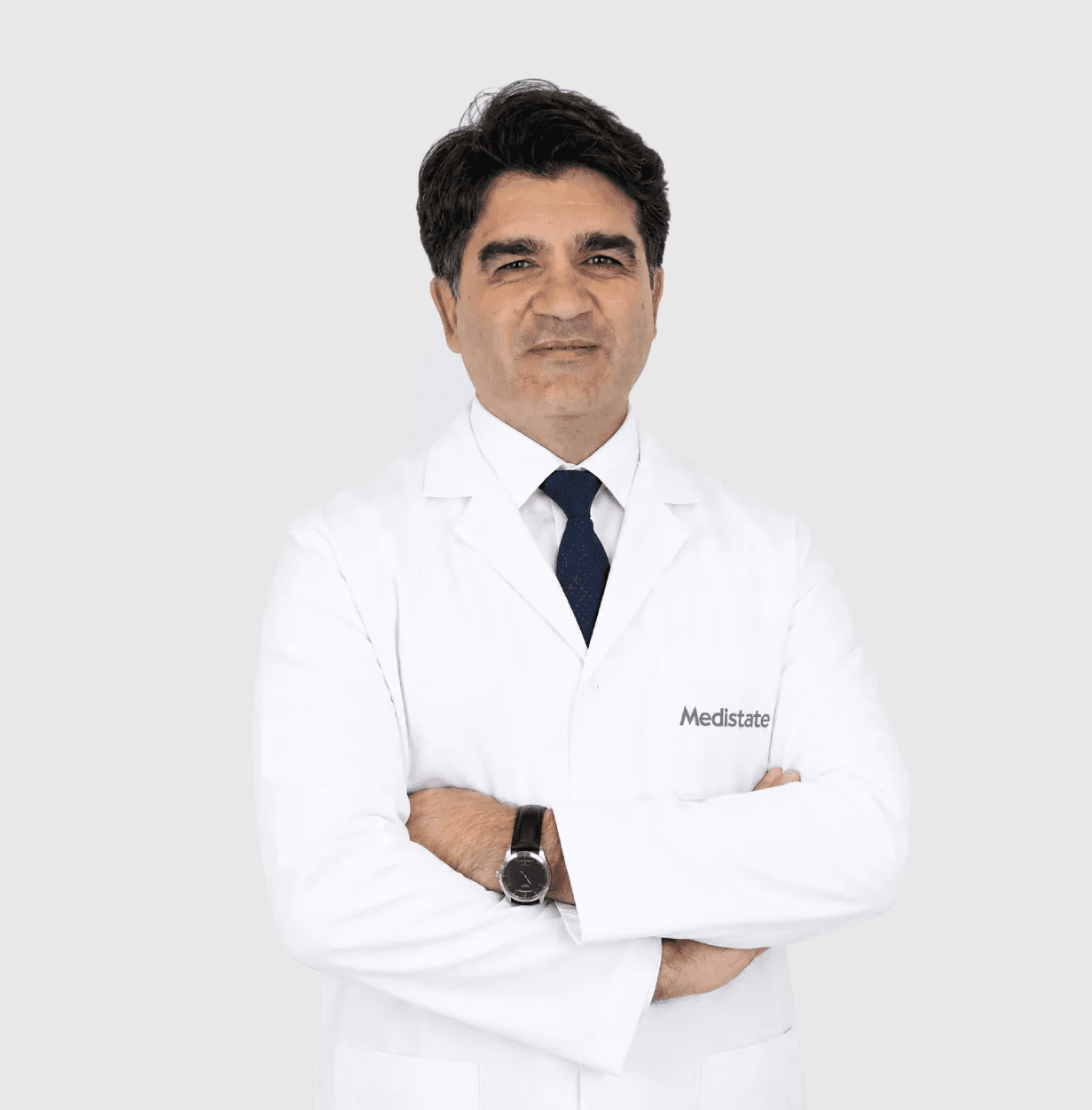
Dr. Melih Haboğlu, MD
| Experience guarantees quality
Medical Specialization at the Highest Level
Our partner ophthalmologists specialize in refractive ophthalmology and have been performing lens implantations with the highest precision for many years. We only use premium brand implants from leading manufacturers such as Alcon, Zeiss, and EDOF. Over 100,000 successful treatments, daily surgical experience, and state-of-the-art technology ensure a particularly safe, reliable, and high-quality treatment – for your clear vision.
Partner clinic ophthalmologists:
Prof. Dr. Yelda Buyru
Assoc. Prof. Selim Genç
Dr. Mediha Tok Çevik, MD
Dr. Melih Haboğlu, MD
| Experience guarantees quality
Medical Specialization at the Highest Level
Our partner ophthalmologists specialize in refractive ophthalmology and have been performing lens implantations with the highest precision for many years. We only use premium brand implants from leading manufacturers such as Alcon, Zeiss, and EDOF. Over 100,000 successful treatments, daily surgical experience, and state-of-the-art technology ensure a particularly safe, reliable, and high-quality treatment – for your clear vision.
Partner clinic ophthalmologists:
Prof. Dr. Yelda Buyru
Assoc. Prof. Selim Genç
Dr. Mediha Tok Çevik, MD
Dr. Melih Haboğlu, MD
Quality that Meets the Highest German Standards
| Quality, comfort, and progress
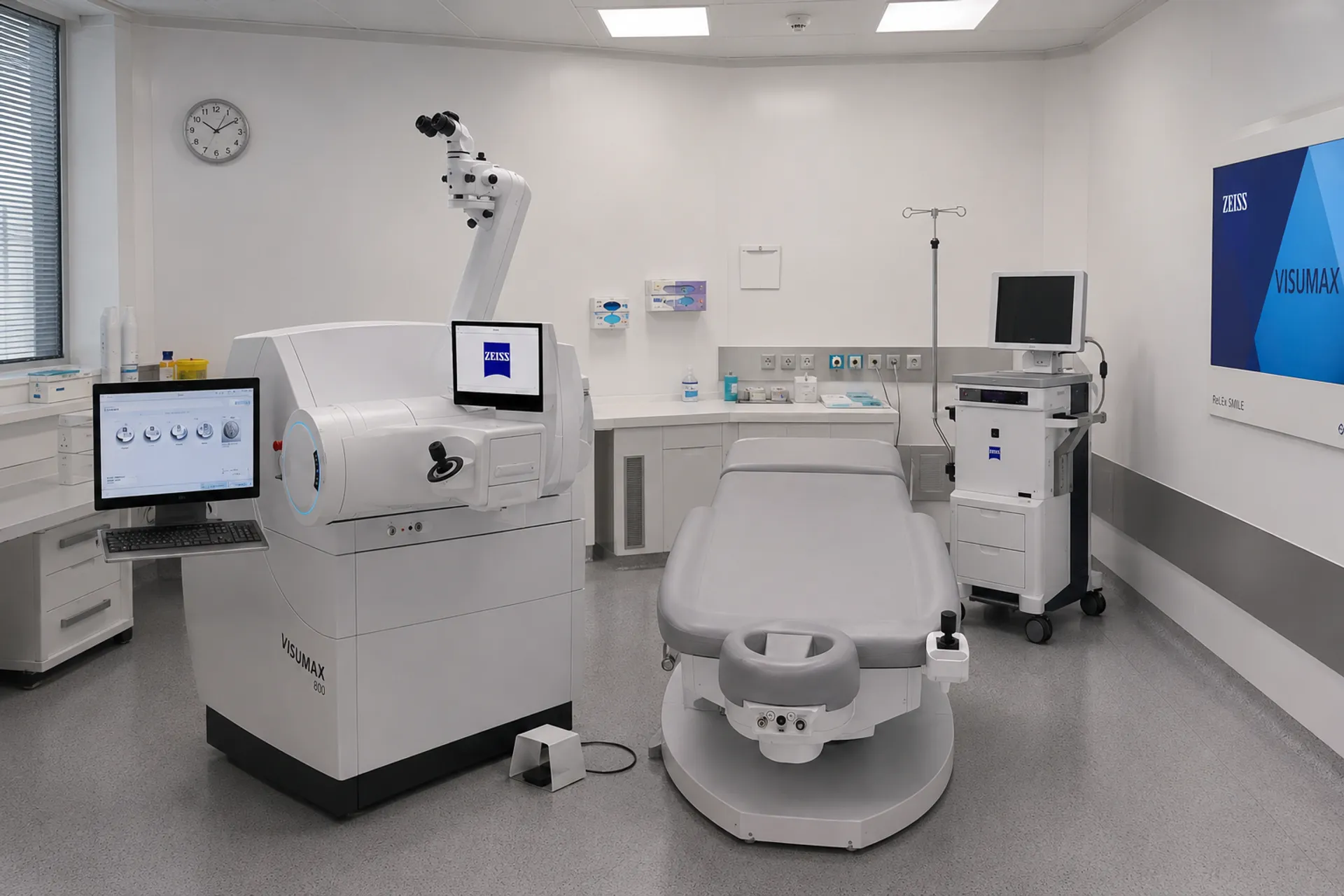
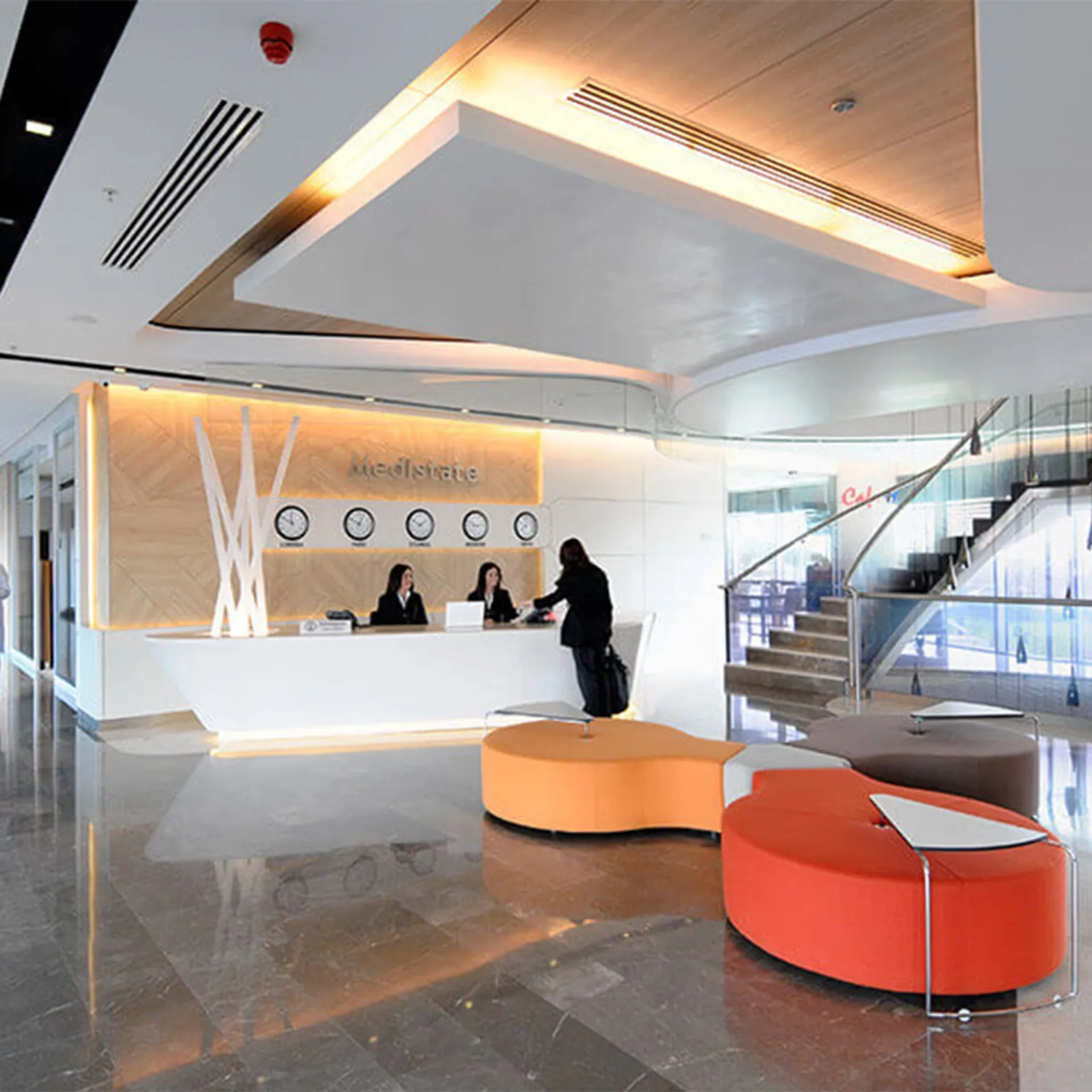
High-tech medicine meets individual care u2013 medical excellence, state-of-the-art technology, and personal guidance. With many years of experience in refractive eye surgery and premium brand implants from leading manufacturers, our partner clinic stands for the highest level of precision, safety, and trust.
Premium brand implants from Alcon, Zeiss, and EDOF u2013 leading technologies for the highest precision
Individual diagnostics and comprehensive consultation u2013 tailored to your visual acuity and eye structure
Fully equipped clinic u2013 immediate medical care guaranteed at all times
Strict hygiene standards u2013 for maximum safety at every step of the treatment

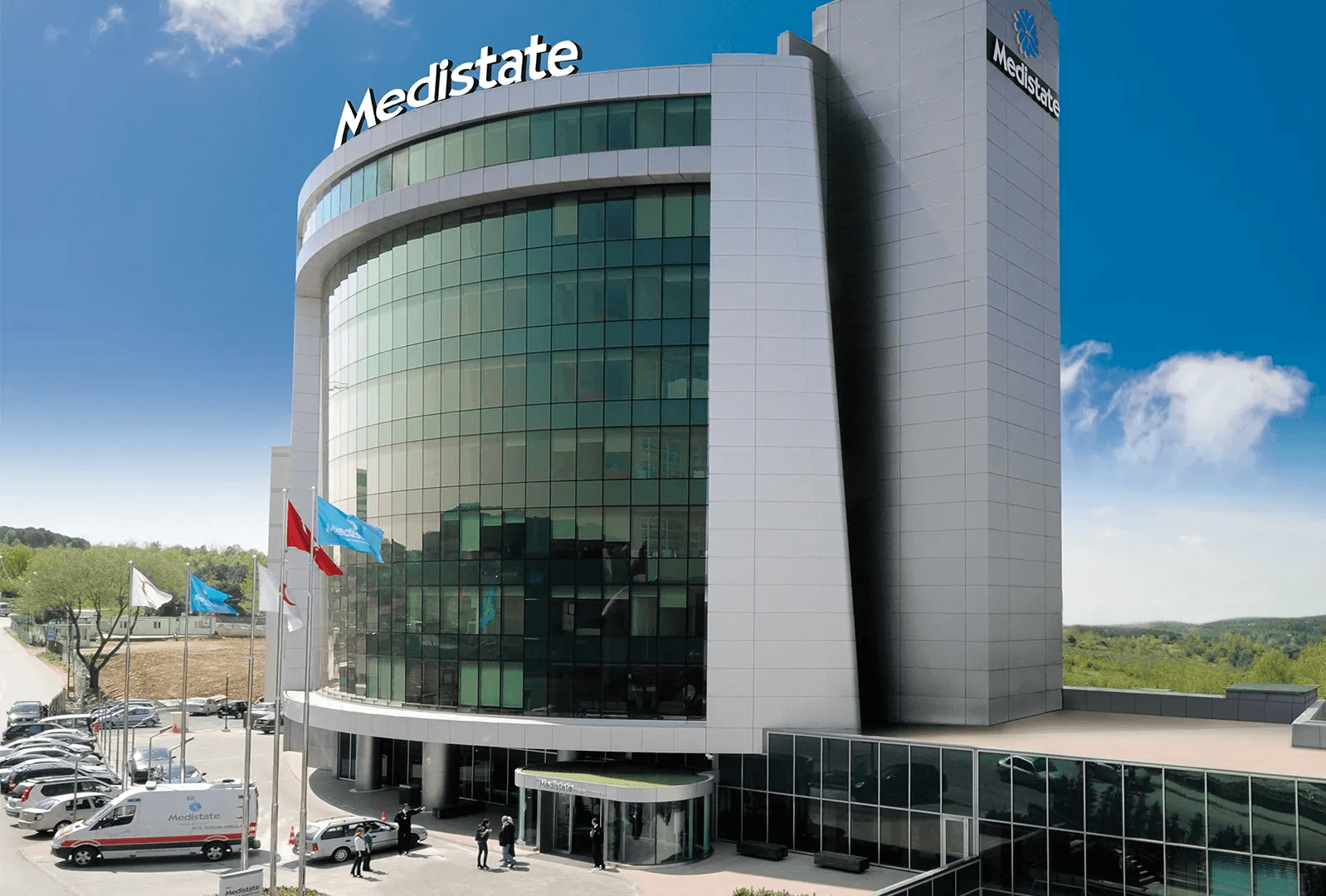
Watch the clinic video
Watch the clinic video
Quality that Meets the Highest German Standards
| Quality, comfort, and progress
High-tech medicine meets individual care u2013 medical excellence, state-of-the-art technology, and personal guidance. With many years of experience in refractive eye surgery and premium brand implants from leading manufacturers, our partner clinic stands for the highest level of precision, safety, and trust.
Premium brand implants from Alcon, Zeiss, and EDOF u2013 leading technologies for the highest precision
Individual diagnostics and comprehensive consultation u2013 tailored to your visual acuity and eye structure
Fully equipped clinic u2013 immediate medical care guaranteed at all times
Strict hygiene standards u2013 for maximum safety at every step of the treatment
Watch the clinic video
Watch the clinic video
Quality that Meets the Highest German Standards
| Quality, comfort, and progress
High-tech medicine meets individual care u2013 medical excellence, state-of-the-art technology, and personal guidance. With many years of experience in refractive eye surgery and premium brand implants from leading manufacturers, our partner clinic stands for the highest level of precision, safety, and trust.
Premium brand implants from Alcon, Zeiss, and EDOF u2013 leading technologies for the highest precision
Individual diagnostics and comprehensive consultation u2013 tailored to your visual acuity and eye structure
Fully equipped clinic u2013 immediate medical care guaranteed at all times
Strict hygiene standards u2013 for maximum safety at every step of the treatment
Watch the clinic video
| Costs
Lense implantation costs
| Costs
Lense implantation costs
| Costs
Lense implantation costs
The cost of lens implants is calculated as an all-inclusive package. This includes all necessary pre- and post-operative examinations, the implantation of high-quality brand-name lenses, and on-site medical care. Only the flight costs are additional.
Monofocal lenses per eye
All inclusive package
1,800€
1,650€
" width="20px"><g fill="transparent" height="15.556786387423394px" id="pnjv_5etp" transform="translate(0 0)" width="20px"><path d="M 14.555 4.136 C 14.373 3.904 14.095 3.807 13.806 3.865 L 9.603 4.719 C 9.3 4.766 9.071 4.933 8.92 5.191 L 8.081 6.626 C 6.53 6.775 5.005 6.613 3.464 6.274 L 4.327 5.432 C 4.656 5.11 4.683 4.604 4.314 4.309 C 4.146 4.196 3.944 4.163 3.736 4.204 L 1.67 4.614 C 1.459 4.666 1.284 4.775 1.158 4.948 L 0.731 5.531 C 0.484 5.381 0.367 5.117 0.4 4.853 C 0.434 4.589 0.619 4.372 0.892 4.298 L 1.496 4.133 L 0.029 0.694 C -0.053 0.502 0.045 0.224 0.252 0.185 L 1.143 0.018 C 1.481 -0.045 1.792 0.06 2.034 0.301 L 3.633 1.894 L 4.185 2.446 C 4.639 2.9 5.186 3.274 5.865 3.122 L 14.698 1.144 C 15.304 1.009 15.906 0.945 16.517 0.985 C 17.466 1.047 18.141 1.424 18.825 2.049 C 19.104 2.138 19.361 2.243 19.604 2.397 C 19.947 2.615 20.089 3.015 19.942 3.4 C 19.726 3.966 18.994 4.414 18.436 4.68 C 17.797 4.984 17.142 5.179 16.449 5.329 L 13.969 5.824 L 14.501 5.167 C 14.766 4.885 14.803 4.454 14.555 4.136 Z M 16.711 2.681 L 18.334 2.242 C 18.052 1.975 17.761 1.79 17.426 1.655 L 16.505 1.879 C 16.361 1.921 16.26 2.052 16.296 2.205 L 16.369 2.518 C 16.4 2.649 16.568 2.72 16.711 2.681 Z" fill="rgb(0, 0, 0)" height="6.681673182348362px" id="surUB6rVE" transform="translate(0 3.037)" width="20px"/><path d="M 7.437 4.711 C 6.911 4.8 5.881 4.703 5.386 4.417 L 3.117 7.09 C 2.719 7.558 2.244 7.912 1.624 8.01 L 0.457 8.195 C 0.296 8.22 0.139 8.115 0.069 8.002 C -0.014 7.87 -0.027 7.705 0.057 7.562 L 0.863 6.191 L 2.091 5.992 C 2.295 5.946 2.451 5.842 2.553 5.653 L 5.62 0.585 L 8.483 0.003 C 8.592 -0.019 8.705 0.091 8.733 0.16 C 8.77 0.248 8.78 0.394 8.705 0.483 L 6.994 2.511 L 8.255 2.304 C 8.446 2.272 8.616 2.319 8.768 2.44 C 9.167 2.799 9.288 3.456 9.155 3.973 C 9.098 4.194 8.947 4.457 8.708 4.497 L 7.437 4.711 Z M 8.611 2.902 C 8.57 2.823 8.477 2.729 8.391 2.733 C 8.301 2.738 8.236 2.847 8.213 2.932 C 8.059 3.518 8.372 4.144 8.59 4.086 C 8.812 4.027 8.859 3.374 8.611 2.902 Z" fill="rgb(0, 0, 0)" height="8.198754160860972px" id="Gko0Q2xAD" transform="translate(5.48 7.358)" width="9.206777135944321px"/><path d="M 2.397 1.932 C 2.233 1.746 2.033 1.687 1.808 1.723 L 0.857 1.871 L 0.073 0.781 C -0.016 0.658 -0.022 0.505 0.047 0.361 C 0.095 0.264 0.216 0.157 0.359 0.139 L 1.317 0.016 C 1.829 -0.049 2.323 0.08 2.725 0.41 L 7.404 4.113 L 4.626 4.736 L 2.397 1.932 Z" fill="rgb(0, 0, 0)" height="4.736024779709881px" id="e6FQS5d1B" transform="translate(5.283 0)" width="7.404293140334801px"/><path d="M 0.311 2.962 C 0.197 2.98 0.088 2.935 0.039 2.853 C -0.003 2.784 -0.022 2.655 0.039 2.572 L 1.476 0.611 C 1.546 0.515 1.63 0.44 1.749 0.416 L 3.839 0.003 C 3.921 -0.013 4.013 0.04 4.052 0.098 C 4.093 0.16 4.096 0.283 4.028 0.35 L 1.974 2.381 C 1.749 2.604 1.504 2.776 1.185 2.826 L 0.312 2.962 Z" fill="rgb(0, 0, 0)" height="2.965885745576543px" id="gxetiyNaW" transform="translate(0.032 7.701)" width="4.081051628354985px"/><path d="M 0 4.931 L 2.683 0.373 C 2.75 0.26 2.847 0.195 2.964 0.159 L 3.793 0 L 0.909 4.78 L 0 4.931 Z" fill="rgb(0, 0, 0)" height="4.931364674086922px" id="C9U4Y6U51" transform="translate(6.662 8.08)" width="3.7925605384416485px"/><path d="M 2.918 2.661 L 2.005 2.883 L 0 0.122 L 0.81 0 Z" fill="rgb(0, 0, 0)" height="2.8826938918807627px" id="gH30eKQyd" transform="translate(6.46 2.182)" width="2.9176100564172884px"/><path d="M 0.422 1.027 C 0.279 1.066 0.111 0.995 0.08 0.864 L 0.007 0.55 C -0.028 0.398 0.072 0.266 0.216 0.224 L 1.138 0 C 1.472 0.136 1.763 0.321 2.046 0.587 L 0.422 1.027 Z" fill="rgb(255, 255, 255)" height="1.037353365821616px" id="MhIJTBILw" transform="translate(16.289 4.691)" width="2.0455121863528802px"/><path d="M 0.439 0.169 C 0.687 0.641 0.64 1.294 0.418 1.353 C 0.2 1.411 -0.113 0.785 0.041 0.199 C 0.064 0.114 0.129 0.005 0.219 0 C 0.309 -0.004 0.398 0.09 0.439 0.169 Z" fill="rgb(255, 255, 255)" height="1.357067903836878px" id="y_Whls7lh" transform="translate(13.652 10.091)" width="1px"/></g></g></svg>)
-150€ flight discount
Flexible financing
from
138€
/ month
*Individual terms
The total discount of €150 includes the flight discount. The discount applies to both eyes in total and not per eye.
Details upon request
4 nights in Istanbul
No prepayment required
VIP round-the-clock transfer
Aftercare possible in Germany
Medications and safety goggles
Flexible financing
Park & Fly – Stress-free parking and flying!
German-speaking doctors and care
Accompanying Person Free of Charge
International premium manufacturers
What is included?
The cost of lens implants is calculated as an all-inclusive package. This includes all necessary pre- and post-operative examinations, the implantation of high-quality brand-name lenses, and on-site medical care. Only the flight costs are additional.
Monofocal lenses per eye
All inclusive package
1,800€
1,650€
-150€ flight discount
Flexible financing
from
138€
/ month
*Individual terms
The total discount of €150 includes the flight discount. The discount applies to both eyes in total and not per eye.
Details upon request
4 nights in Istanbul
No prepayment required
VIP round-the-clock transfer
Aftercare possible in Germany
Medications and safety goggles
Flexible financing
Park & Fly – Stress-free parking and flying!
German-speaking doctors and care
Accompanying Person Free of Charge
International premium manufacturers
What is included?
The cost of lens implants is calculated as an all-inclusive package. This includes all necessary pre- and post-operative examinations, the implantation of high-quality brand-name lenses, and on-site medical care. Only the flight costs are additional.
Monofocal lenses per eye
All inclusive package
1,800€
1,650€
-150€ flight discount
Flexible financing
from
138€
/ month
*Individual terms
The total discount of €150 includes the flight discount. The discount applies to both eyes in total and not per eye.
Details upon request
4 nights in Istanbul
No prepayment required
VIP round-the-clock transfer
Aftercare possible in Germany
Medications and safety goggles
Flexible financing
Park & Fly – Stress-free parking and flying!
German-speaking doctors and care
Accompanying Person Free of Charge
International premium manufacturers
What is included?
| Guaranteed Services
Why Patients Trust Us
Our mission is to make the highest medical quality accessible at transparent and fairly calculated prices. That's why we exclusively collaborate with carefully selected partner doctors and clinics, with whom we have had a trusting collaboration for many years. This long-standing experience enables us to reliably distinguish genuine medical quality from mere promises.
TÜV Certified Since 2012
As the only agency in beauty tourism, we have been TÜV certified since 2012 for our outstanding service quality. This seal guarantees you the highest standards and absolute reliability.
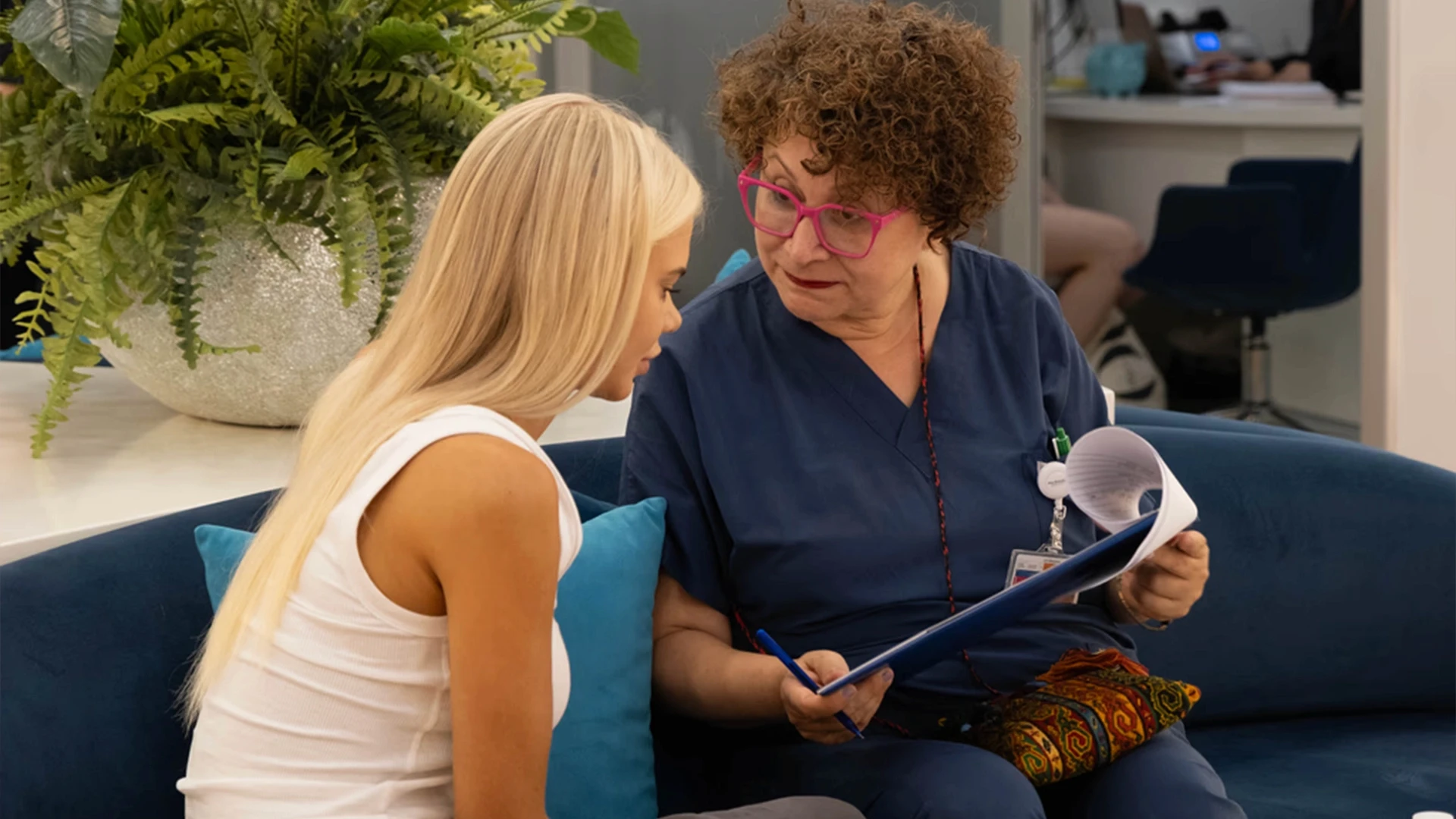
English-Speaking Support Warranty
Unlike our competitors, we guarantee you English-speaking support – without exceptions. Our BT24 assistants are reliably there for you in your native language before, during, and after the treatment.

No Prepayment – Payment Only in Istanbul
Your appointment reservation does not require a prepayment because it is important to us that you first gain trust in the doctor. We are convinced of the quality of our service – that’s why you only pay on-site.
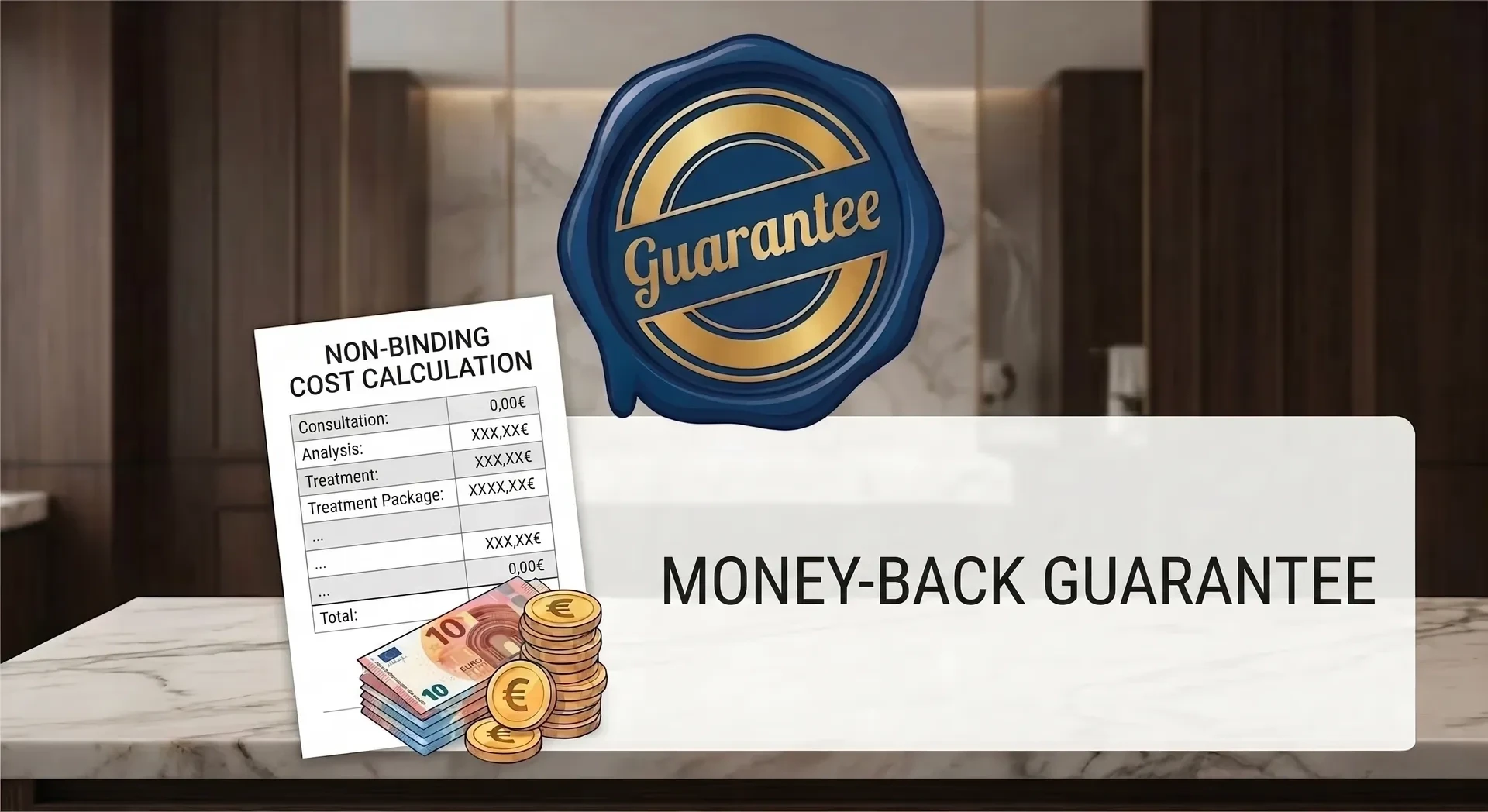
Money-Back Guarantee
The cost estimate you receive is of course free of charge. If a different price is charged on-site for the agreed treatment, you will get your money back. Costs for medically alternative treatments are transparently listed on our website.
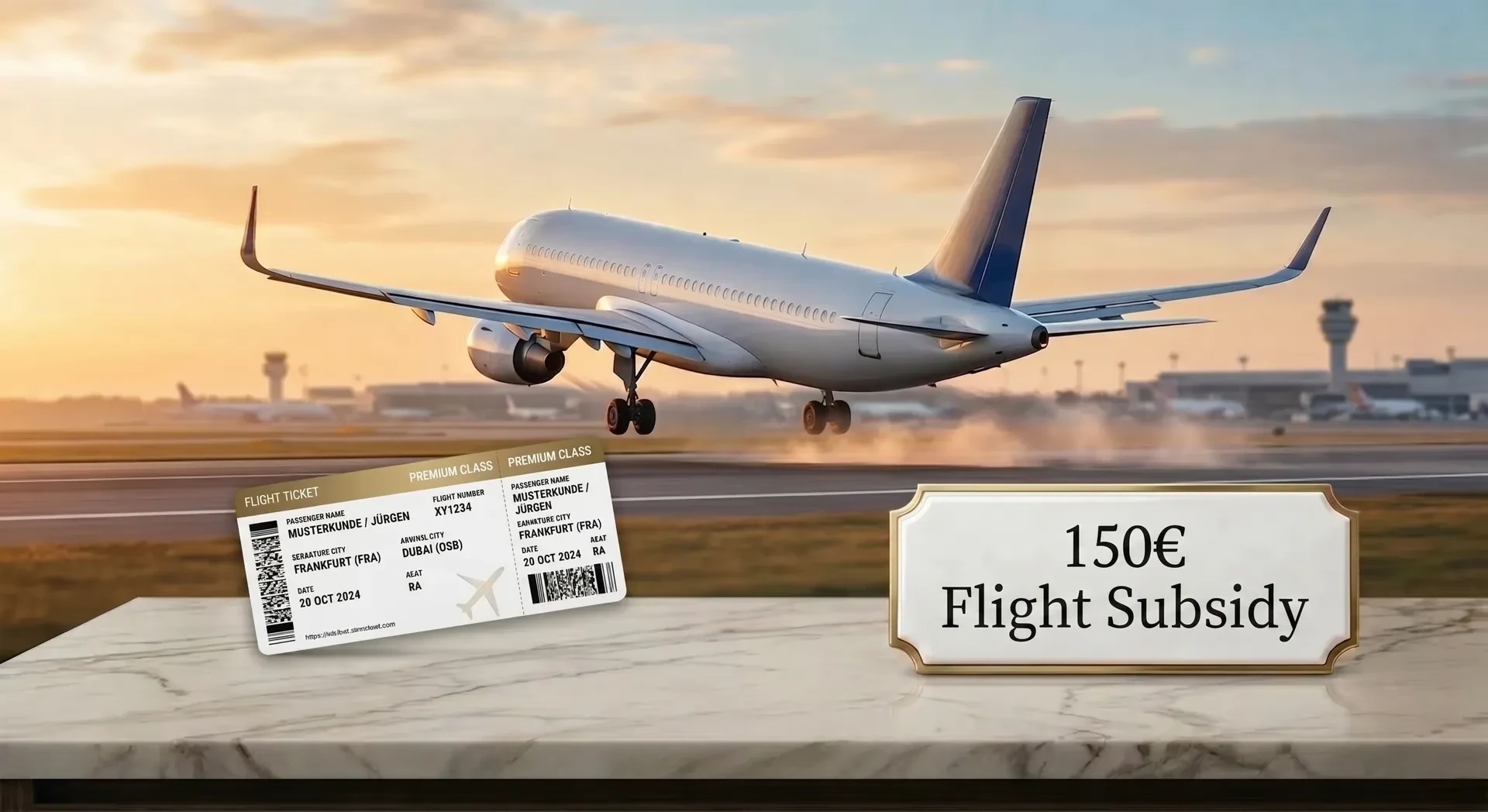
150 Euro Flight Bonus
The flight booking is done through our travel organization. The flight ticket is paid for in advance. On-site, 150 euros will automatically be deducted from the operational costs.

Safety After Your Return
In the rare event of follow-up treatment after your return, additional protection is provided by Nürnberger Versicherung. Covered up to 300,000 euros. Exclusive to our patients with an insurance value of 100 euros. Here you can find all benefits and conditions of the follow-up protection.

Individual financing for your treatment
Fulfill your treatment wishes conveniently in monthly installments. Together with our financing partner, we will find a financing solution that suits your personal situation.

Park & Fly Service
Free parking at numerous airports in Europe. A shuttle service takes you comfortably from the parking lot directly to the departure terminal – and your beauty vacation starts stress-free!
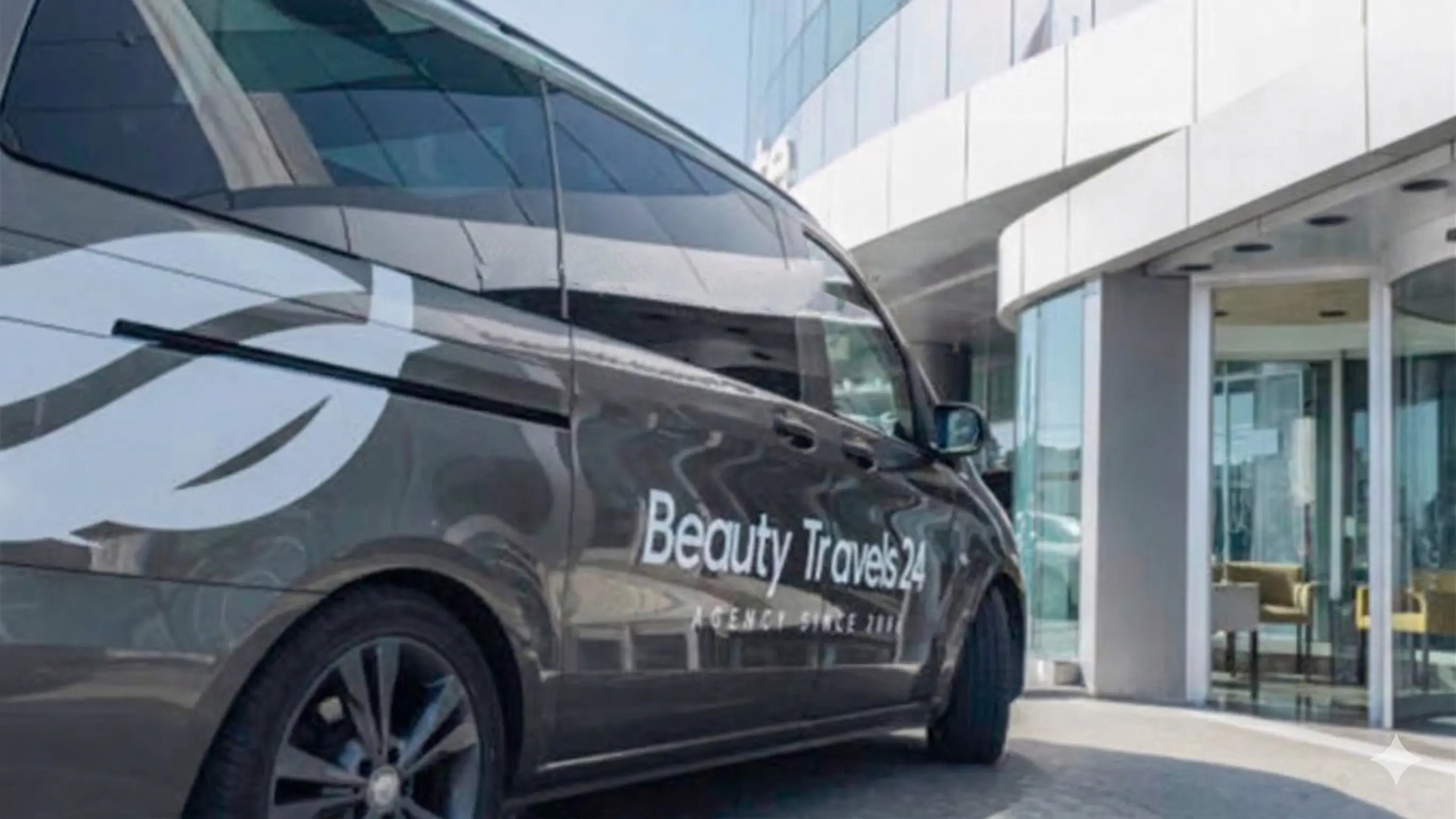
Convenient Transfer Service with Free Wi-Fi
Carefree transfer, individually coordinated with your surgery times. Our transportation service reliably takes you between the airport, clinic, and hotel – with free Wi-Fi for extra comfort.

You Pack Your Suitcase – We Take Care of the Rest
Your medical journey is carefully organized from the very beginning. The packages include overnight stays in partner clinics and selected hotels with breakfast included. Transfers, preliminary examinations, surgeries, and follow-up visits are fully coordinated. Your medical records are initially reviewed by a team of professors. Based on this, the surgeon is selected whose specialization best fits your treatment. You do not have to choose a doctor yourself – the right specialist will be specifically assigned to you. Just pack your suitcase; everything else is ready for you.

Accompanying Person Free of Charge
Enjoy the comfort of having your companion free of charge in the same room and during the shared transfer. Only the flight costs are additional – everything else is already organized for you.
| Guaranteed Services
Why Patients Trust Us
Our mission is to make the highest medical quality accessible at transparent and fairly calculated prices. That's why we exclusively collaborate with carefully selected partner doctors and clinics, with whom we have had a trusting collaboration for many years. This long-standing experience enables us to reliably distinguish genuine medical quality from mere promises.
TÜV Certified Since 2012
As the only agency in beauty tourism, we have been TÜV certified since 2012 for our outstanding service quality. This seal guarantees you the highest standards and absolute reliability.
English-Speaking Support Warranty
Unlike our competitors, we guarantee you English-speaking support – without exceptions. Our BT24 assistants are reliably there for you in your native language before, during, and after the treatment.
No Prepayment – Payment Only in Istanbul
Your appointment reservation does not require a prepayment because it is important to us that you first gain trust in the doctor. We are convinced of the quality of our service – that’s why you only pay on-site.
Money-Back Guarantee
The cost estimate you receive is of course free of charge. If a different price is charged on-site for the agreed treatment, you will get your money back. Costs for medically alternative treatments are transparently listed on our website.
150 Euro Flight Bonus
The flight booking is done through our travel organization. The flight ticket is paid for in advance. On-site, 150 euros will automatically be deducted from the operational costs.
Safety After Your Return
In the rare event of follow-up treatment after your return, additional protection is provided by Nürnberger Versicherung. Covered up to 300,000 euros. Exclusive to our patients with an insurance value of 100 euros. Here you can find all benefits and conditions of the follow-up protection.
Individual financing for your treatment
Fulfill your treatment wishes conveniently in monthly installments. Together with our financing partner, we will find a financing solution that suits your personal situation.
Park & Fly Service
Free parking at numerous airports in Europe. A shuttle service takes you comfortably from the parking lot directly to the departure terminal – and your beauty vacation starts stress-free!
Convenient Transfer Service with Free Wi-Fi
Carefree transfer, individually coordinated with your surgery times. Our transportation service reliably takes you between the airport, clinic, and hotel – with free Wi-Fi for extra comfort.
You Pack Your Suitcase – We Take Care of the Rest
Your medical journey is carefully organized from the very beginning. The packages include overnight stays in partner clinics and selected hotels with breakfast included. Transfers, preliminary examinations, surgeries, and follow-up visits are fully coordinated. Your medical records are initially reviewed by a team of professors. Based on this, the surgeon is selected whose specialization best fits your treatment. You do not have to choose a doctor yourself – the right specialist will be specifically assigned to you. Just pack your suitcase; everything else is ready for you.
Accompanying Person Free of Charge
Enjoy the comfort of having your companion free of charge in the same room and during the shared transfer. Only the flight costs are additional – everything else is already organized for you.
| Guaranteed Services
Why Patients Trust Us
Our mission is to make the highest medical quality accessible at transparent and fairly calculated prices. That's why we exclusively collaborate with carefully selected partner doctors and clinics, with whom we have had a trusting collaboration for many years. This long-standing experience enables us to reliably distinguish genuine medical quality from mere promises.
TÜV Certified Since 2012
As the only agency in beauty tourism, we have been TÜV certified since 2012 for our outstanding service quality. This seal guarantees you the highest standards and absolute reliability.
English-Speaking Support Warranty
Unlike our competitors, we guarantee you English-speaking support – without exceptions. Our BT24 assistants are reliably there for you in your native language before, during, and after the treatment.
No Prepayment – Payment Only in Istanbul
Your appointment reservation does not require a prepayment because it is important to us that you first gain trust in the doctor. We are convinced of the quality of our service – that’s why you only pay on-site.
Money-Back Guarantee
The cost estimate you receive is of course free of charge. If a different price is charged on-site for the agreed treatment, you will get your money back. Costs for medically alternative treatments are transparently listed on our website.
150 Euro Flight Bonus
The flight booking is done through our travel organization. The flight ticket is paid for in advance. On-site, 150 euros will automatically be deducted from the operational costs.
Safety After Your Return
In the rare event of follow-up treatment after your return, additional protection is provided by Nürnberger Versicherung. Covered up to 300,000 euros. Exclusive to our patients with an insurance value of 100 euros. Here you can find all benefits and conditions of the follow-up protection.
Individual financing for your treatment
Fulfill your treatment wishes conveniently in monthly installments. Together with our financing partner, we will find a financing solution that suits your personal situation.
Park & Fly Service
Free parking at numerous airports in Europe. A shuttle service takes you comfortably from the parking lot directly to the departure terminal – and your beauty vacation starts stress-free!
Convenient Transfer Service with Free Wi-Fi
Carefree transfer, individually coordinated with your surgery times. Our transportation service reliably takes you between the airport, clinic, and hotel – with free Wi-Fi for extra comfort.
You Pack Your Suitcase – We Take Care of the Rest
Your medical journey is carefully organized from the very beginning. The packages include overnight stays in partner clinics and selected hotels with breakfast included. Transfers, preliminary examinations, surgeries, and follow-up visits are fully coordinated. Your medical records are initially reviewed by a team of professors. Based on this, the surgeon is selected whose specialization best fits your treatment. You do not have to choose a doctor yourself – the right specialist will be specifically assigned to you. Just pack your suitcase; everything else is ready for you.
Accompanying Person Free of Charge
Enjoy the comfort of having your companion free of charge in the same room and during the shared transfer. Only the flight costs are additional – everything else is already organized for you.
| A life without glasses
Lens implantation in Turkey
Multifocal Lenses
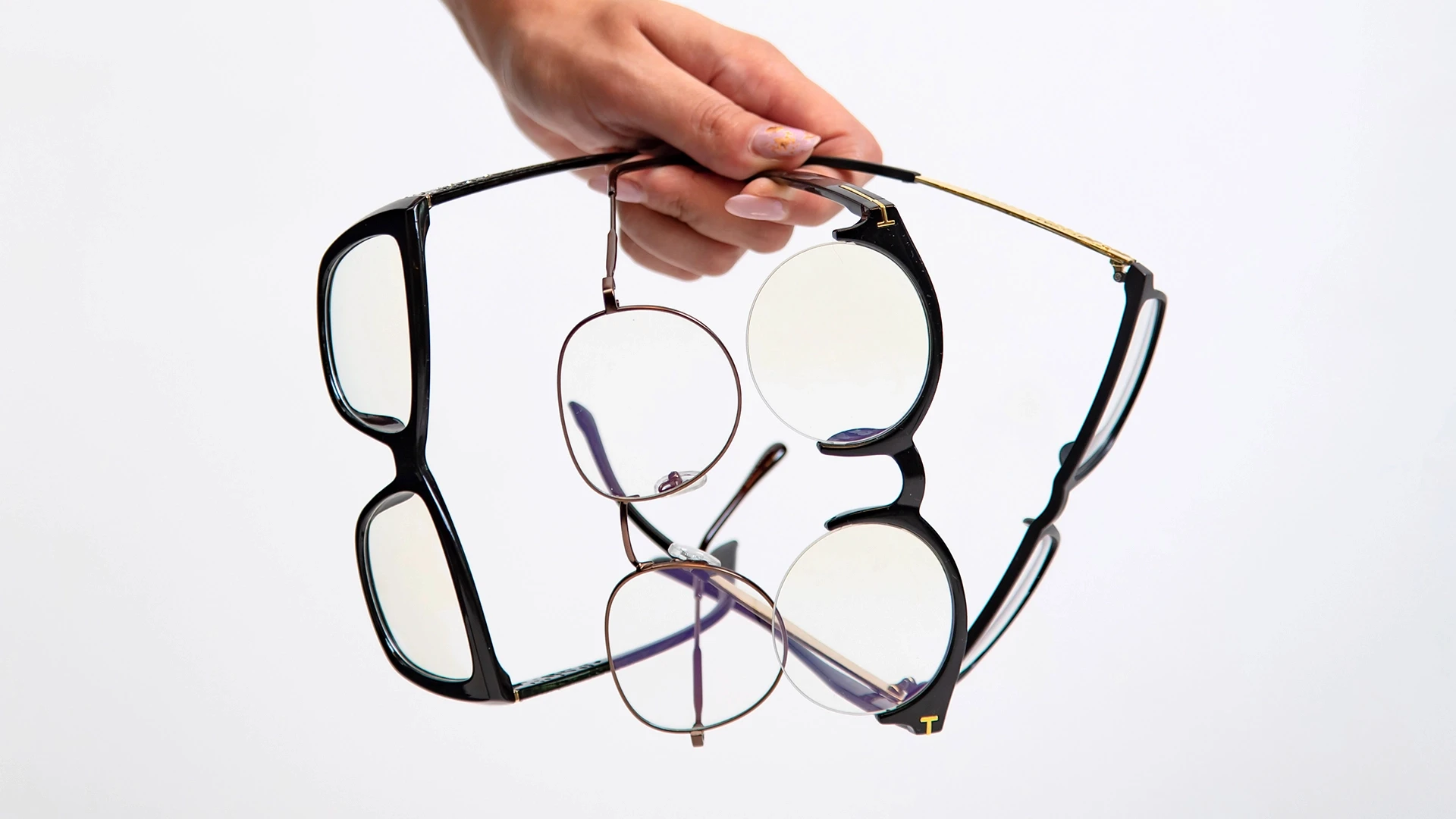
Multifocal lenses replace the eye's natural lens and provide clear vision at various distances, ideal for correcting presbyopia and lens opacities. Multifocal lenses are implanted through a small incision at the edge of the cornea (minimally invasive) and allow you to see clearly at both distance and close range. These lenses have multiple focal points, so ideally, all daily activities can be performed after refractive lens exchange without glasses, as multiple spectrums are covered.
| A life without glasses
Lens implantation in Turkey
Multifocal Lenses
Multifocal lenses replace the eye's natural lens and provide clear vision at various distances, ideal for correcting presbyopia and lens opacities. Multifocal lenses are implanted through a small incision at the edge of the cornea (minimally invasive) and allow you to see clearly at both distance and close range. These lenses have multiple focal points, so ideally, all daily activities can be performed after refractive lens exchange without glasses, as multiple spectrums are covered.
| A life without glasses
Lens implantation in Turkey
Multifocal Lenses
Multifocal lenses replace the eye's natural lens and provide clear vision at various distances, ideal for correcting presbyopia and lens opacities. Multifocal lenses are implanted through a small incision at the edge of the cornea (minimally invasive) and allow you to see clearly at both distance and close range. These lenses have multiple focal points, so ideally, all daily activities can be performed after refractive lens exchange without glasses, as multiple spectrums are covered.
| Patient stories
See the patient experiences for yourself
Laser eye surgery
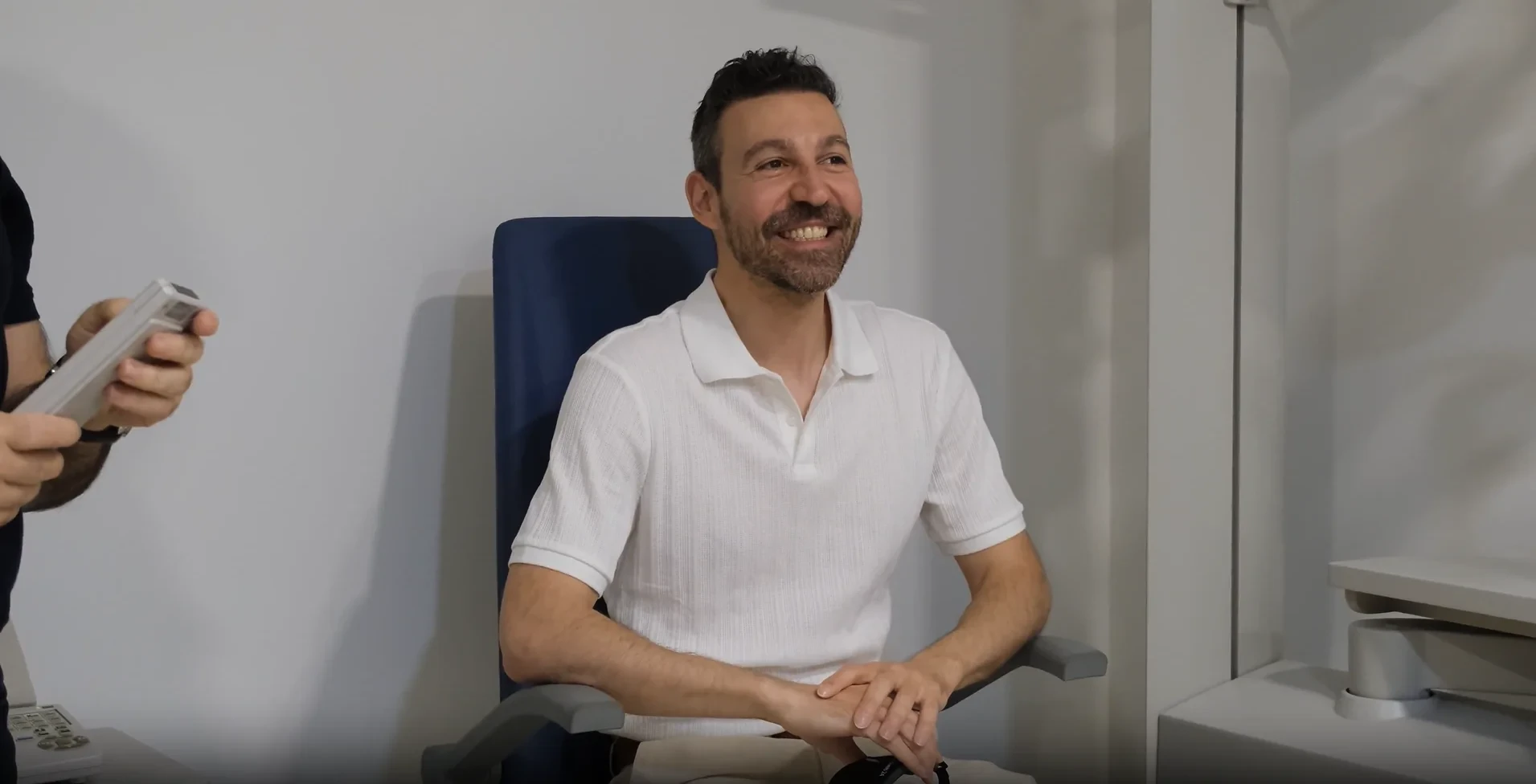
Watch video
Laser eye surgery
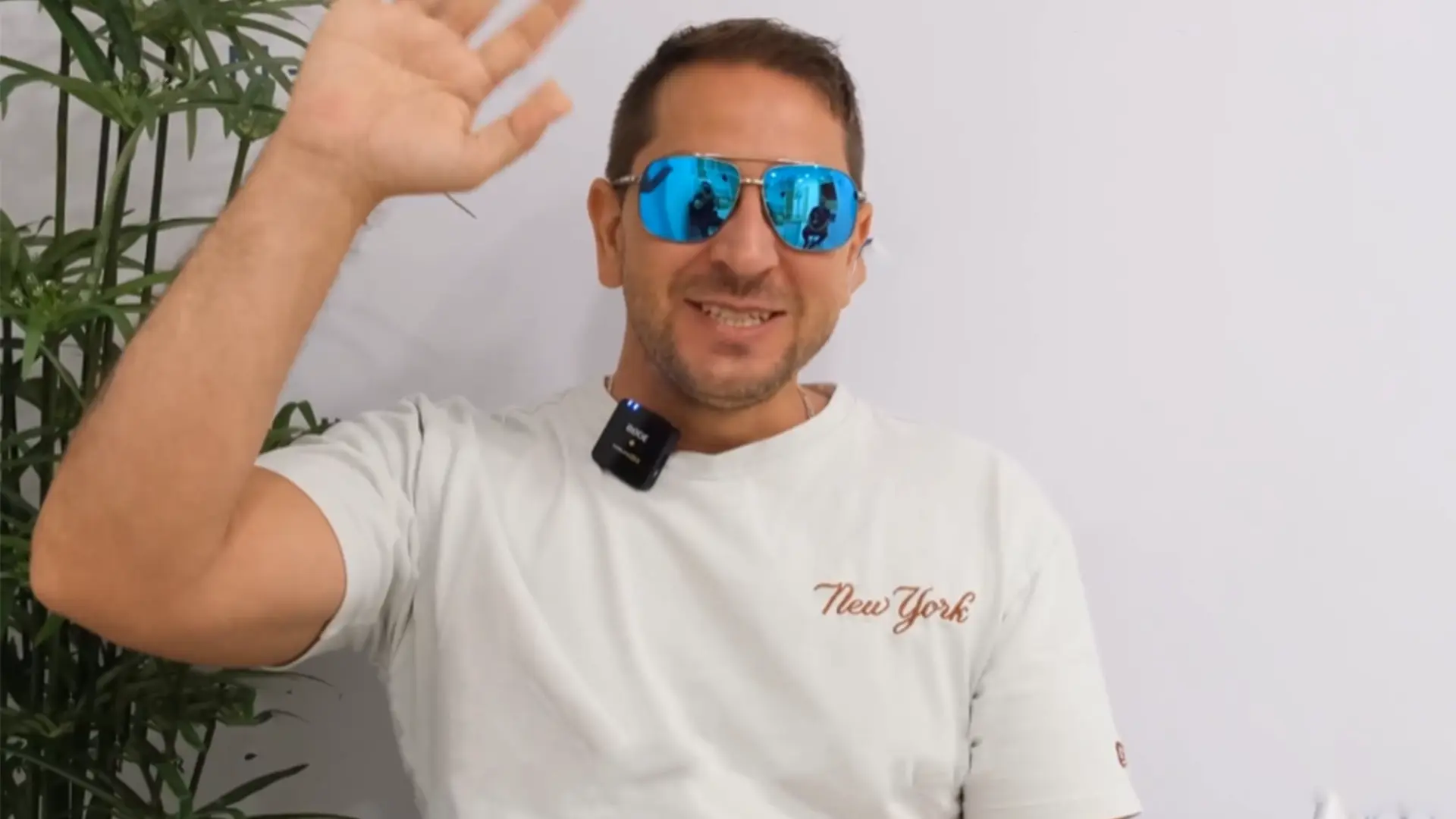
Watch video
Laser eye surgery

Watch video
Laser eye surgery

Watch video
| Patient stories
See the patient experiences for yourself
Laser eye surgery
Watch video
Laser eye surgery
Watch video
Laser eye surgery
Watch video
Laser eye surgery
Watch video
| Patient stories
See the patient experiences for yourself
Laser eye surgery
Laser eye surgery
Laser eye surgery
Laser eye surgery
| Our Patients' Experiences
Patient experiences in short interviews
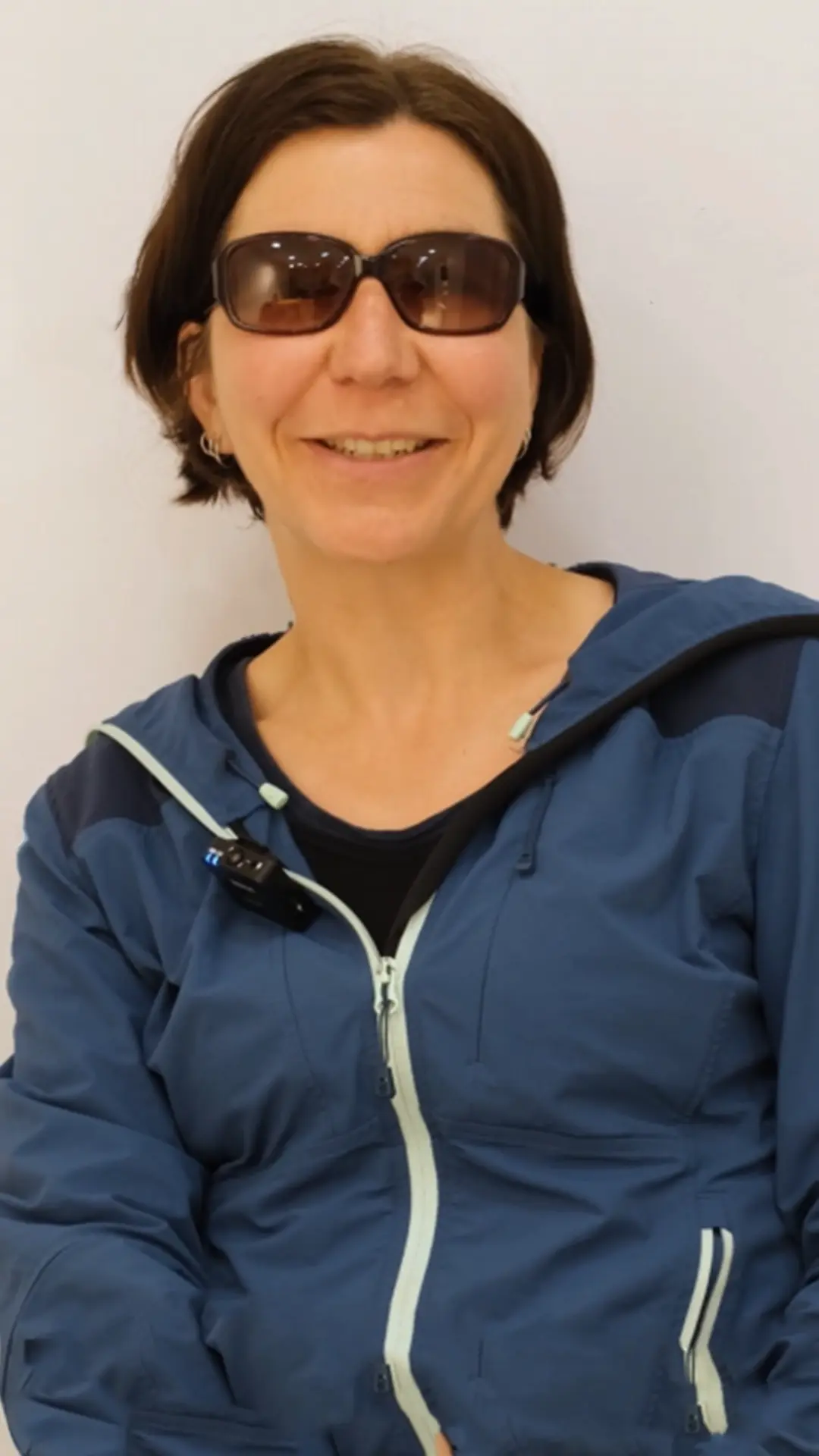
| Sofia – Trust, Precision, and New Perspective
Laser eye surgery
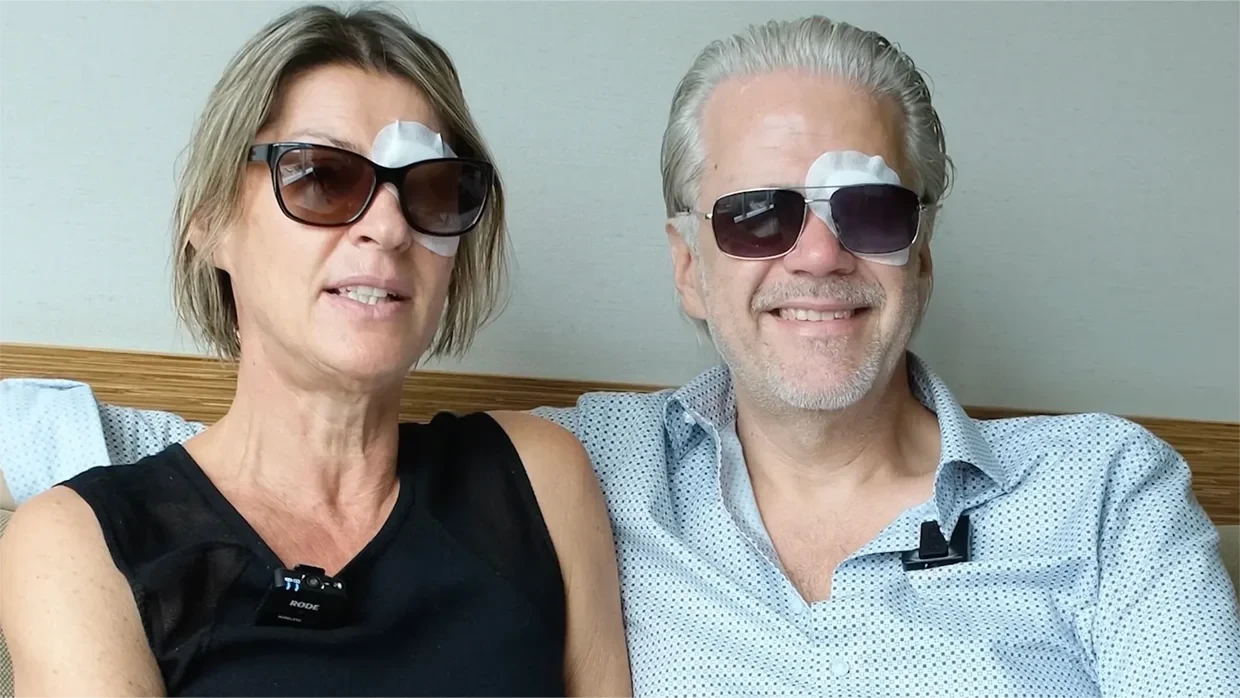

| A couple full of zest for life
Lens implantation and dental aesthetics
| Our Patients' Experiences
Patient experiences in short interviews
| Sofia – Trust, Precision, and New Perspective
Laser eye surgery
| A couple full of zest for life
Lens implantation and dental aesthetics
| Our Patients' Experiences
Patient experiences in short interviews
| A couple full of zest for life
Lens implantation and dental aesthetics
| Sofia – Trust, Precision, and New Perspective
Laser eye surgery
| Where will you be staying?
Accommodation in Istanbul
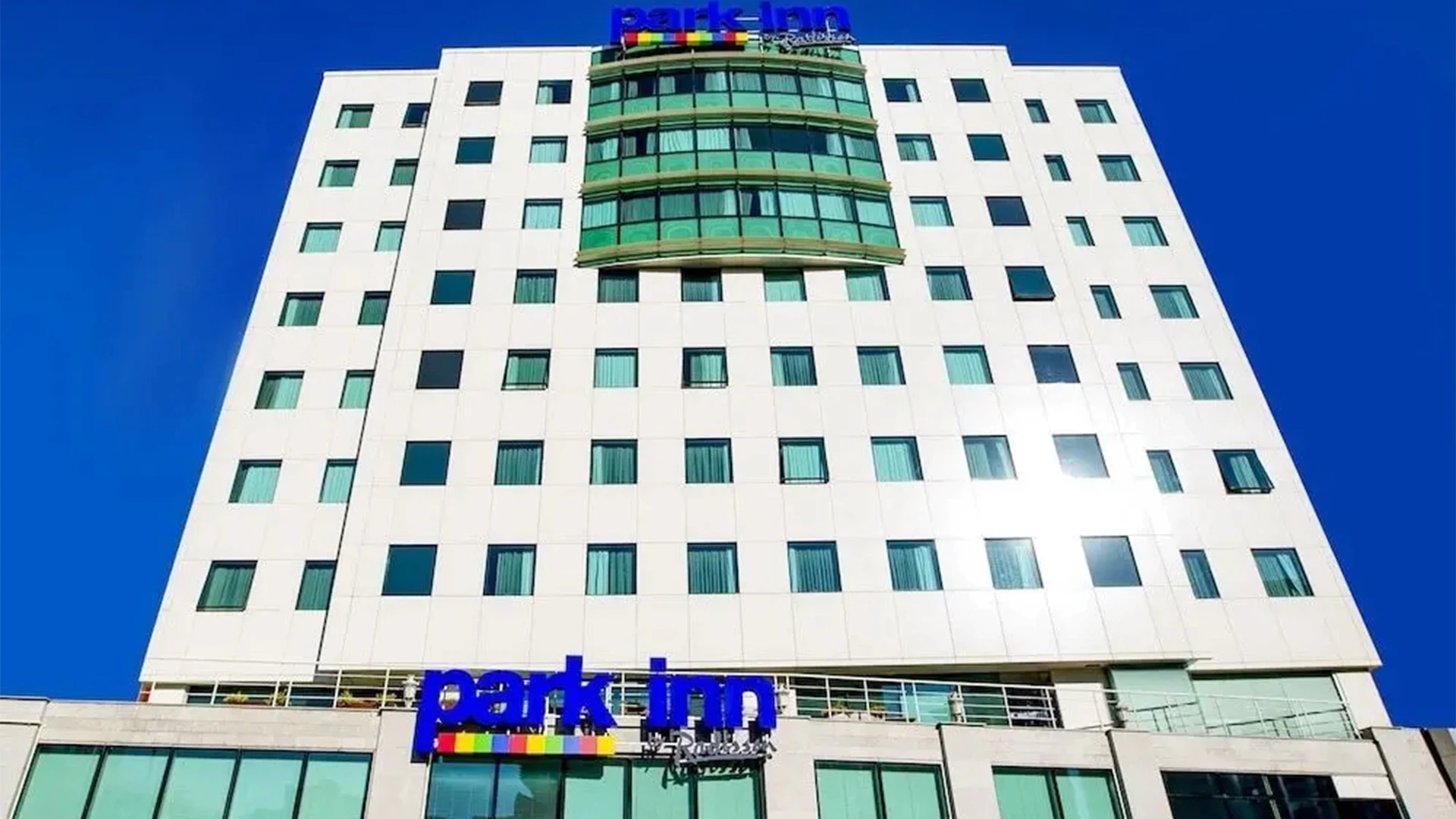
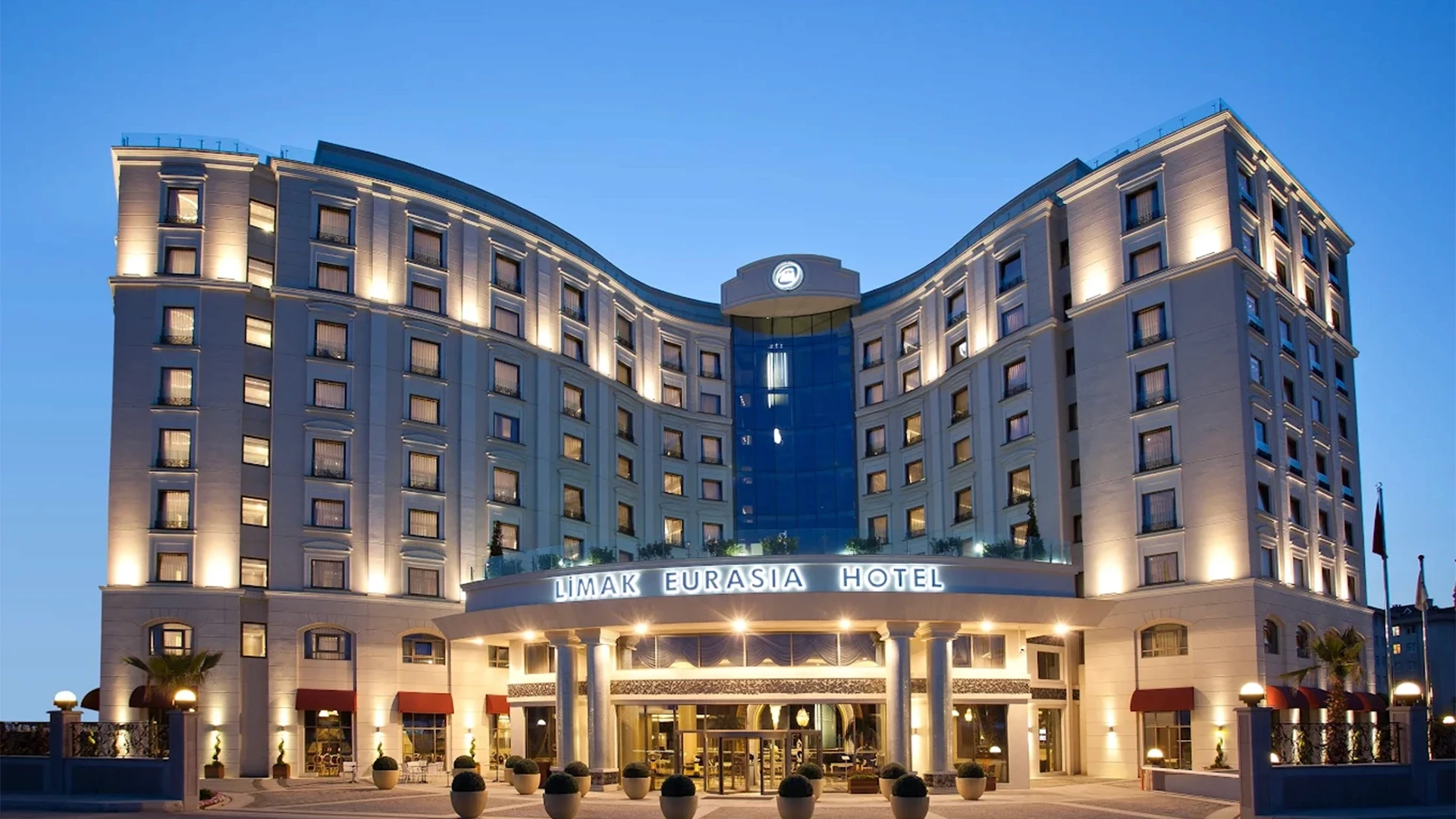
Our carefully selected partner hotels provide a comfortable environment for your eye correction treatment. Due to the immediate proximity to the clinic, we especially recommend the Limak Hotel. The package also includes the Radisson Inn, which impresses with modern comfort and an optimal location.
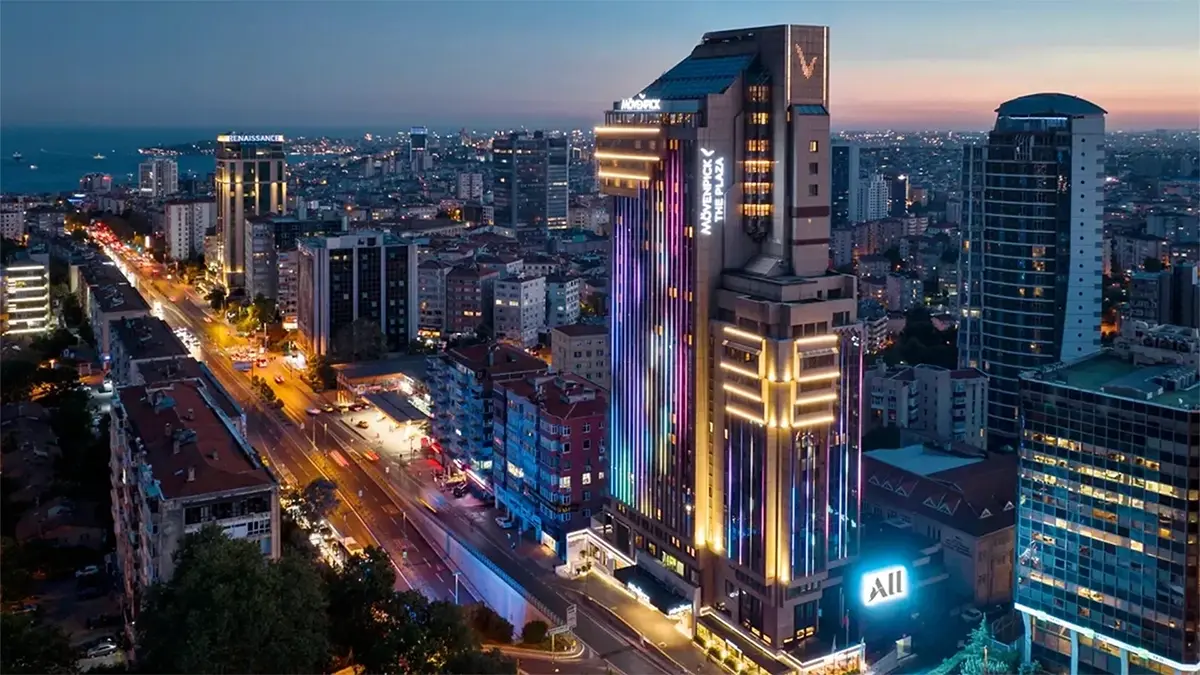
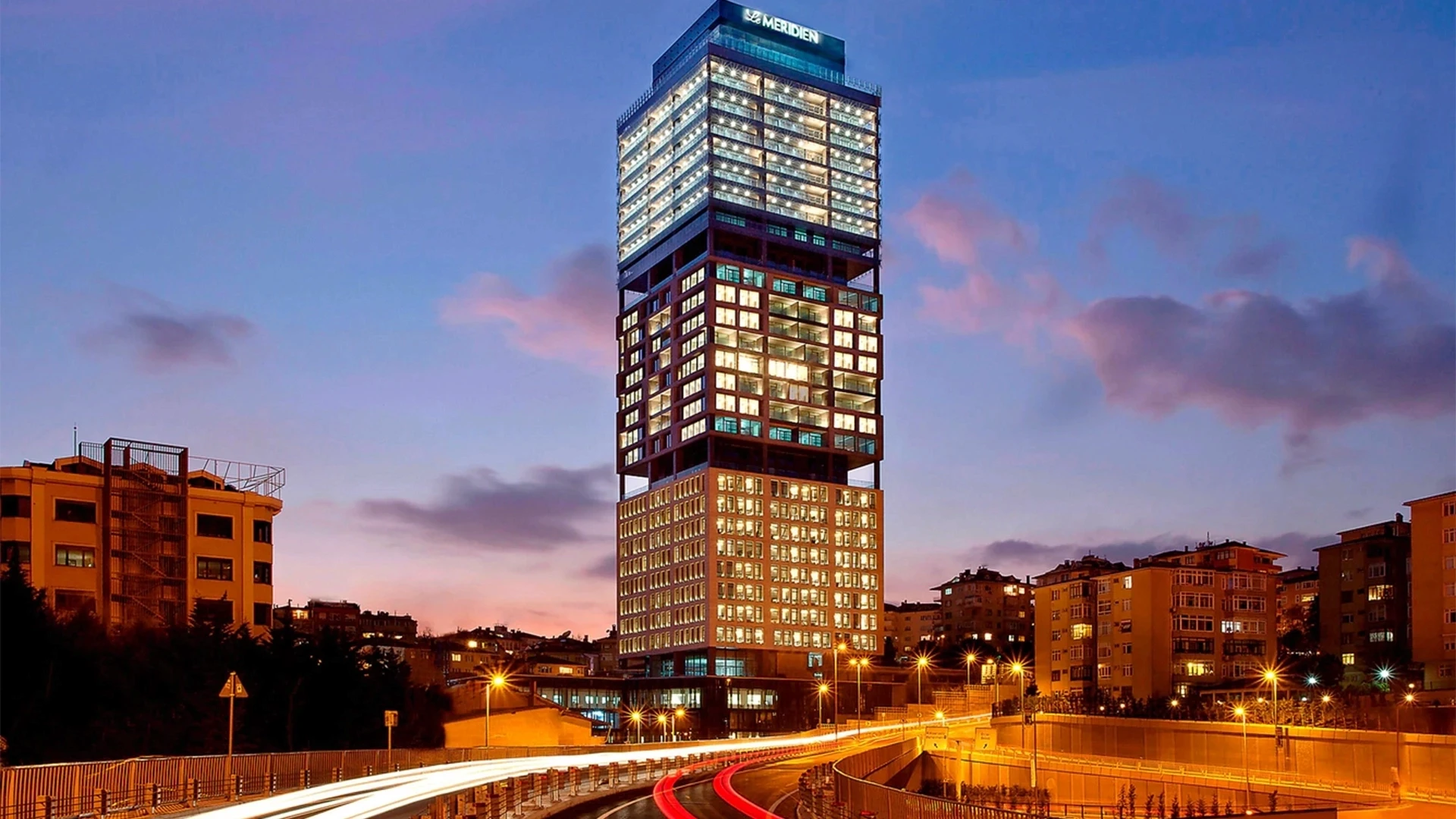
01
5* Hotel Limak
02
4* Hotel Radisson Inn
03
5* Hotel Le Meridien
04
5* Mövenpick Hotel
| Where will you be staying?
Accommodation in Istanbul
Our carefully selected partner hotels provide a comfortable environment for your eye correction treatment. Due to the immediate proximity to the clinic, we especially recommend the Limak Hotel. The package also includes the Radisson Inn, which impresses with modern comfort and an optimal location.
01
5* Hotel Limak
02
4* Hotel Radisson Inn
03
5* Hotel Le Meridien
04
5* Mövenpick Hotel
| Where will you be staying?
Accommodation in Istanbul
Our carefully selected partner hotels provide a comfortable environment for your eye correction treatment. Due to the immediate proximity to the clinic, we especially recommend the Limak Hotel. The package also includes the Radisson Inn, which impresses with modern comfort and an optimal location.
01
5* Hotel Limak
02
4* Hotel Radisson Inn
03
5* Hotel Le Meridien
04
5* Mövenpick Hotel
| Healing phase
Lens implantation
Treatment duration
20–30 minutes
Anesthesia
Local anesthesia
Stay in Istanbul
3 days
Socially acceptable
same
| Healing phase
Lens implantation
Treatment duration
20–30 minutes
Anesthesia
Local anesthesia
Stay in Istanbul
3 days
Socially acceptable
same
| Healing phase
Lens implantation
Treatment duration
20–30 minutes
Anesthesia
Local anesthesia
Stay in Istanbul
3 days
Socially acceptable
same
| The entire process
This is how it works
| The entire process
This is how it works
| The entire process
This is how it works
| A clear view in just a few days
Your lens implantation procedure explained simply
Arrival in Istanbul
Upon your arrival in Istanbul, you will be greeted by our transfer service at the airport and taken comfortably to your hotel. The rest of the day is at your leisure – please refrain from eye makeup and note that contact lenses should be removed in advance, if you wear them.

Your treatment day
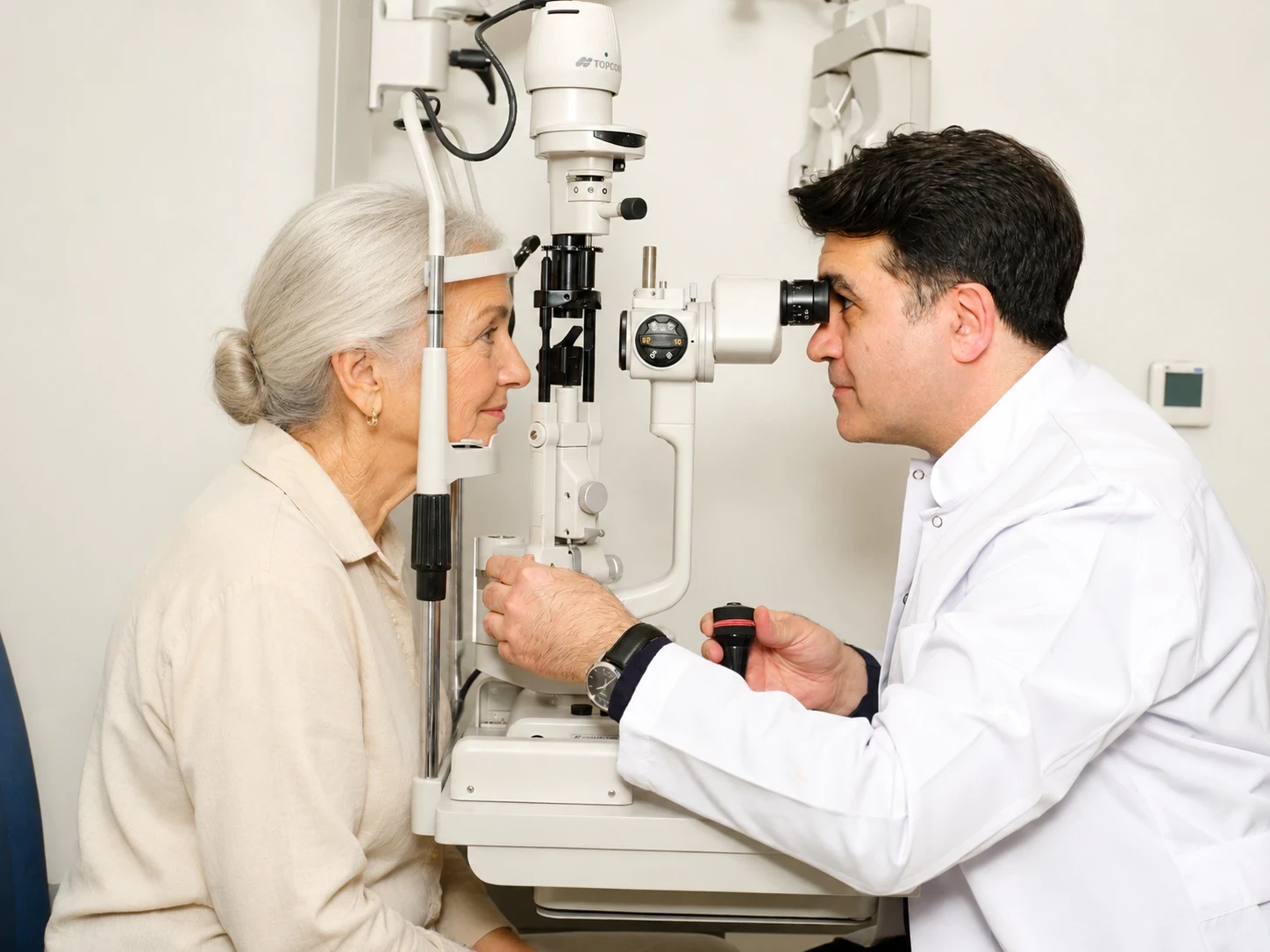
The next morning, the treatment day begins with a detailed preliminary examination, including precise measurements and state-of-the-art diagnostic technology. Following this, the individually tailored laser treatment will be planned. A German-speaking support will accompany you through all the steps and ensure a safe and smooth process. The entire stay in the operating room typically lasts only about 8 minutes – the actual laser application takes just 45 seconds per eye.
Follow-up examination / Free time
In the morning, the final follow-up examination takes place, during which your vision and the healing process are checked. Afterwards, you will receive your medical report as well as important instructions. After that, the day is yours: enjoy your free time to the fullest and discover Istanbul with completely new vision, before our transfer service takes you to the airport on time the next day.

Follow-up & Return Trip
In the morning, the final follow-up examination takes place, during which your vision and the healing process are checked. You will then receive your medical report as well as important instructions for the coming days. Afterwards, our transfer service will bring you to the airport in good time for your return journey.

| A clear view in just a few days
Your lens implantation procedure explained simply
Arrival in Istanbul
Upon your arrival in Istanbul, you will be greeted by our transfer service at the airport and taken comfortably to your hotel. The rest of the day is at your leisure – please refrain from eye makeup and note that contact lenses should be removed in advance, if you wear them.
Your treatment day
The next morning, the treatment day begins with a detailed preliminary examination, including precise measurements and state-of-the-art diagnostic technology. Following this, the individually tailored laser treatment will be planned. A German-speaking support will accompany you through all the steps and ensure a safe and smooth process. The entire stay in the operating room typically lasts only about 8 minutes – the actual laser application takes just 45 seconds per eye.
Follow-up examination / Free time
In the morning, the final follow-up examination takes place, during which your vision and the healing process are checked. Afterwards, you will receive your medical report as well as important instructions. After that, the day is yours: enjoy your free time to the fullest and discover Istanbul with completely new vision, before our transfer service takes you to the airport on time the next day.
Follow-up & Return Trip
In the morning, the final follow-up examination takes place, during which your vision and the healing process are checked. You will then receive your medical report as well as important instructions for the coming days. Afterwards, our transfer service will bring you to the airport in good time for your return journey.
| A clear view in just a few days
Your lens implantation procedure explained simply
Arrival in Istanbul
Upon your arrival in Istanbul, you will be greeted by our transfer service at the airport and taken comfortably to your hotel. The rest of the day is at your leisure – please refrain from eye makeup and note that contact lenses should be removed in advance, if you wear them.
Your treatment day
The next morning, the treatment day begins with a detailed preliminary examination, including precise measurements and state-of-the-art diagnostic technology. Following this, the individually tailored laser treatment will be planned. A German-speaking support will accompany you through all the steps and ensure a safe and smooth process. The entire stay in the operating room typically lasts only about 8 minutes – the actual laser application takes just 45 seconds per eye.
Follow-up examination / Free time
In the morning, the final follow-up examination takes place, during which your vision and the healing process are checked. Afterwards, you will receive your medical report as well as important instructions. After that, the day is yours: enjoy your free time to the fullest and discover Istanbul with completely new vision, before our transfer service takes you to the airport on time the next day.
Follow-up & Return Trip
In the morning, the final follow-up examination takes place, during which your vision and the healing process are checked. You will then receive your medical report as well as important instructions for the coming days. Afterwards, our transfer service will bring you to the airport in good time for your return journey.
| Contact us Today
Plan your online meeting with us
Book a consultation appointment and get closer to your journey towards a breathtaking transformation.

| Contact us Today
Plan your online meeting with us
Book a consultation appointment and get closer to your journey towards a breathtaking transformation.
| Contact us Today
Plan your online meeting with us
Book a consultation appointment and get closer to your journey towards a breathtaking transformation.
| Lens implantation in Turkey
Frequently Asked Questions
Do you have any questions?
Can't find the right answer? Just write us a message on WhatsApp and we will get back to you as soon as possible!
Ask via WhatsApp
Who is a suitable candidate for lens implantation?
The patient should be at least 19 years old for all procedures. Diopter values must have been stable for at least 1-2 years. Wound healing disorders must be clarified in advance. Relevant eye diseases are rather counterproductive for refractive procedures.
What can you expect from a lens implantation?
Precise vision corrections are performed using the very latest methods. State-of-the-art technology is used for both the preliminary examination and the operation. Surgical microscopes and eye laser equipment are from Carl Zeiss. Laser treatments are carried out with a latest-generation femtosecond laser. You can expect the safest procedures.
How long does a lens implantation take?
The total treatment time, including all preparations, is approximately 20 to 30 minutes. The use of the laser and the surgical treatment on the eye typically takes only a few minutes.
Can cataracts still be operated on after a lens implantation?
Laser eye surgery or ICL correction has no effect on any future cataract surgery. For laser eye surgery patients, there are calculation formulas that allow cataract surgery to be performed even years after laser eye treatment. The subsequent insertion of multifocal lenses to correct presbyopia is also an option.
Are there any restrictions after laser eye surgery?
Yes, for optimal results, you should avoid certain activities in the first few weeks, such as swimming or visiting saunas. It is also advisable to protect your eyes from strong sunlight and to avoid physical exertion.
Which method is the best for me?
The optimal method for correcting your visual impairment (e.g., LASEK, PRK, LASIK) depends on several factors, including: your diopter values, the thickness and structure of your cornea, the diameter of your pupil, and possible presbyopia. A comprehensive preliminary examination and consultation with a specialist clarifies which technique is best suited for you.
| Lens implantation in Turkey
Frequently Asked Questions
Who is a suitable candidate for lens implantation?
The patient should be at least 19 years old for all procedures. Diopter values must have been stable for at least 1-2 years. Wound healing disorders must be clarified in advance. Relevant eye diseases are rather counterproductive for refractive procedures.
What can you expect from a lens implantation?
Precise vision corrections are performed using the very latest methods. State-of-the-art technology is used for both the preliminary examination and the operation. Surgical microscopes and eye laser equipment are from Carl Zeiss. Laser treatments are carried out with a latest-generation femtosecond laser. You can expect the safest procedures.
How long does a lens implantation take?
The total treatment time, including all preparations, is approximately 20 to 30 minutes. The use of the laser and the surgical treatment on the eye typically takes only a few minutes.
Can cataracts still be operated on after a lens implantation?
Laser eye surgery or ICL correction has no effect on any future cataract surgery. For laser eye surgery patients, there are calculation formulas that allow cataract surgery to be performed even years after laser eye treatment. The subsequent insertion of multifocal lenses to correct presbyopia is also an option.
Are there any restrictions after laser eye surgery?
Yes, for optimal results, you should avoid certain activities in the first few weeks, such as swimming or visiting saunas. It is also advisable to protect your eyes from strong sunlight and to avoid physical exertion.
Which method is the best for me?
The optimal method for correcting your visual impairment (e.g., LASEK, PRK, LASIK) depends on several factors, including: your diopter values, the thickness and structure of your cornea, the diameter of your pupil, and possible presbyopia. A comprehensive preliminary examination and consultation with a specialist clarifies which technique is best suited for you.
Do you have any questions?
Can't find the right answer? Just write us a message on WhatsApp and we will get back to you as soon as possible!
Ask via WhatsApp
| Lens implantation in Turkey
Frequently Asked Questions
Who is a suitable candidate for lens implantation?
The patient should be at least 19 years old for all procedures. Diopter values must have been stable for at least 1-2 years. Wound healing disorders must be clarified in advance. Relevant eye diseases are rather counterproductive for refractive procedures.
What can you expect from a lens implantation?
Precise vision corrections are performed using the very latest methods. State-of-the-art technology is used for both the preliminary examination and the operation. Surgical microscopes and eye laser equipment are from Carl Zeiss. Laser treatments are carried out with a latest-generation femtosecond laser. You can expect the safest procedures.
How long does a lens implantation take?
The total treatment time, including all preparations, is approximately 20 to 30 minutes. The use of the laser and the surgical treatment on the eye typically takes only a few minutes.
Can cataracts still be operated on after a lens implantation?
Laser eye surgery or ICL correction has no effect on any future cataract surgery. For laser eye surgery patients, there are calculation formulas that allow cataract surgery to be performed even years after laser eye treatment. The subsequent insertion of multifocal lenses to correct presbyopia is also an option.
Are there any restrictions after laser eye surgery?
Yes, for optimal results, you should avoid certain activities in the first few weeks, such as swimming or visiting saunas. It is also advisable to protect your eyes from strong sunlight and to avoid physical exertion.
Which method is the best for me?
The optimal method for correcting your visual impairment (e.g., LASEK, PRK, LASIK) depends on several factors, including: your diopter values, the thickness and structure of your cornea, the diameter of your pupil, and possible presbyopia. A comprehensive preliminary examination and consultation with a specialist clarifies which technique is best suited for you.
Do you have any questions?
Can't find the right answer? Just write us a message on WhatsApp and we will get back to you as soon as possible!
Ask via WhatsApp
Request now

Your Beauty and Health Agency
since 2006
The treatments are carried out in contractually bound health facilities approved for international health tourism.
Opening hours
Office - London 128 City Road, EC1V 2NX
Monday to Friday: 9:00 AM – 6:00 PM Saturday: 10:00 AM – 2:00 PM
Consulting center since 2008.
TÜV certified since 2012
Certificate for International Health Tourism
Your Beauty and Medical Agency since 2006
The treatments are carried out in contractually bound health facilities approved for international health tourism.
Opening hours
Office - London 128 City Road, EC1V 2NX
Monday to Friday: 9:00 AM – 6:00 PM Saturday: 10:00 AM – 2:00 PM
Consulting center since 2008.
TÜV certified since 2012
Certificate for International Health Tourism
Copyright © Beauty Travels 24 2006-2026
Your Beauty and Medical Agency since 2006
The treatments are carried out in contractually bound health facilities approved for international health tourism.
Opening hours
Office - London 128 City Road, EC1V 2NX
Monday to Friday: 9:00 AM – 6:00 PM Saturday: 10:00 AM – 2:00 PM
Consulting center since 2008.
TÜV certified since 2012
Certificate for International Health Tourism