
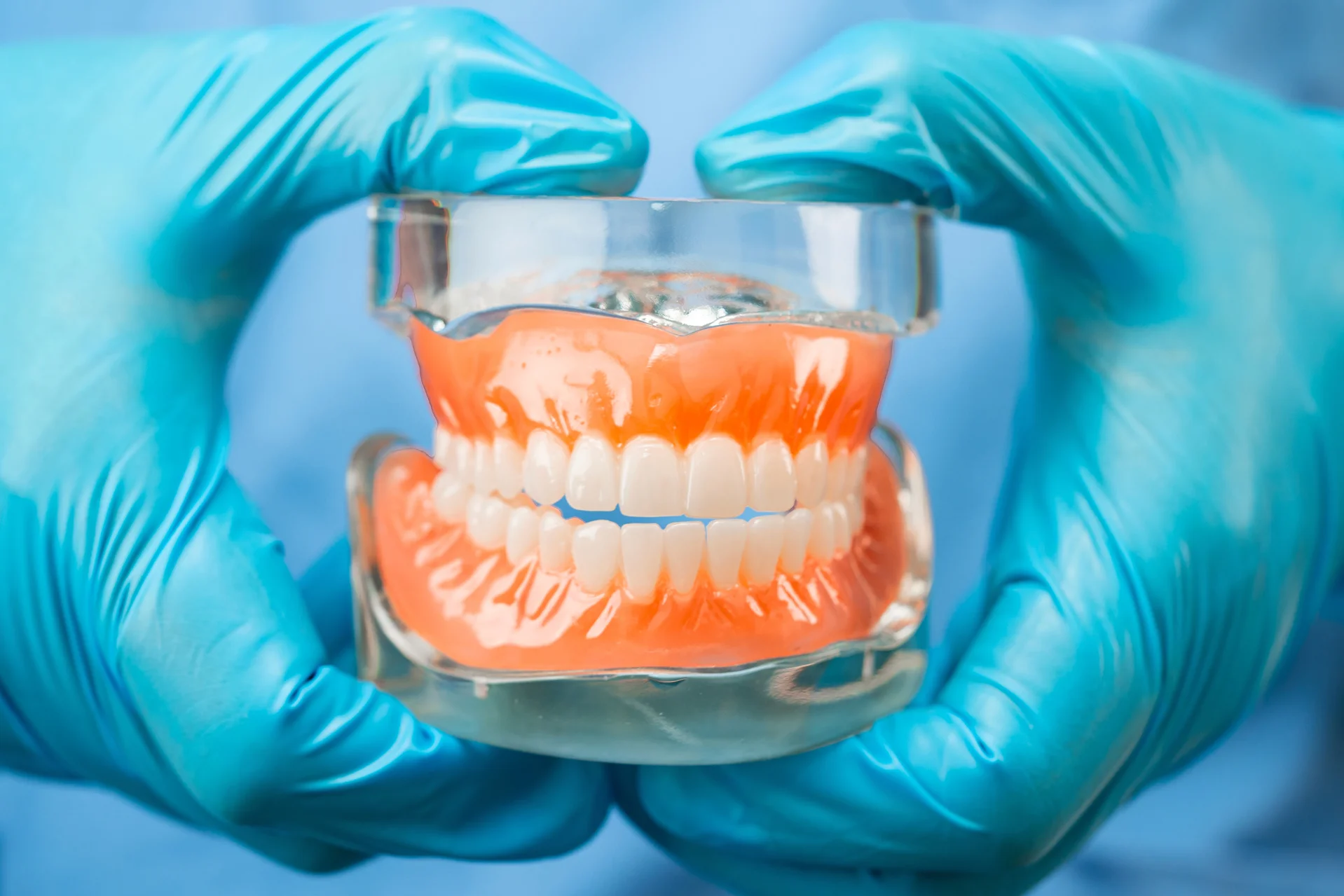
Dental Prosthesis
Removable dentures
Secure the best quality affordably
No advance payment & flexible financing
Functional, precise fit, reliable




Dental Prosthesis
Removable dentures
Secure the best quality affordably
No advance payment & flexible financing
Functional, precise fit, reliable
Dental Prosthesis
Removable dentures
Secure the best quality affordably
No advance payment & flexible financing
Functional, precise fit, reliable
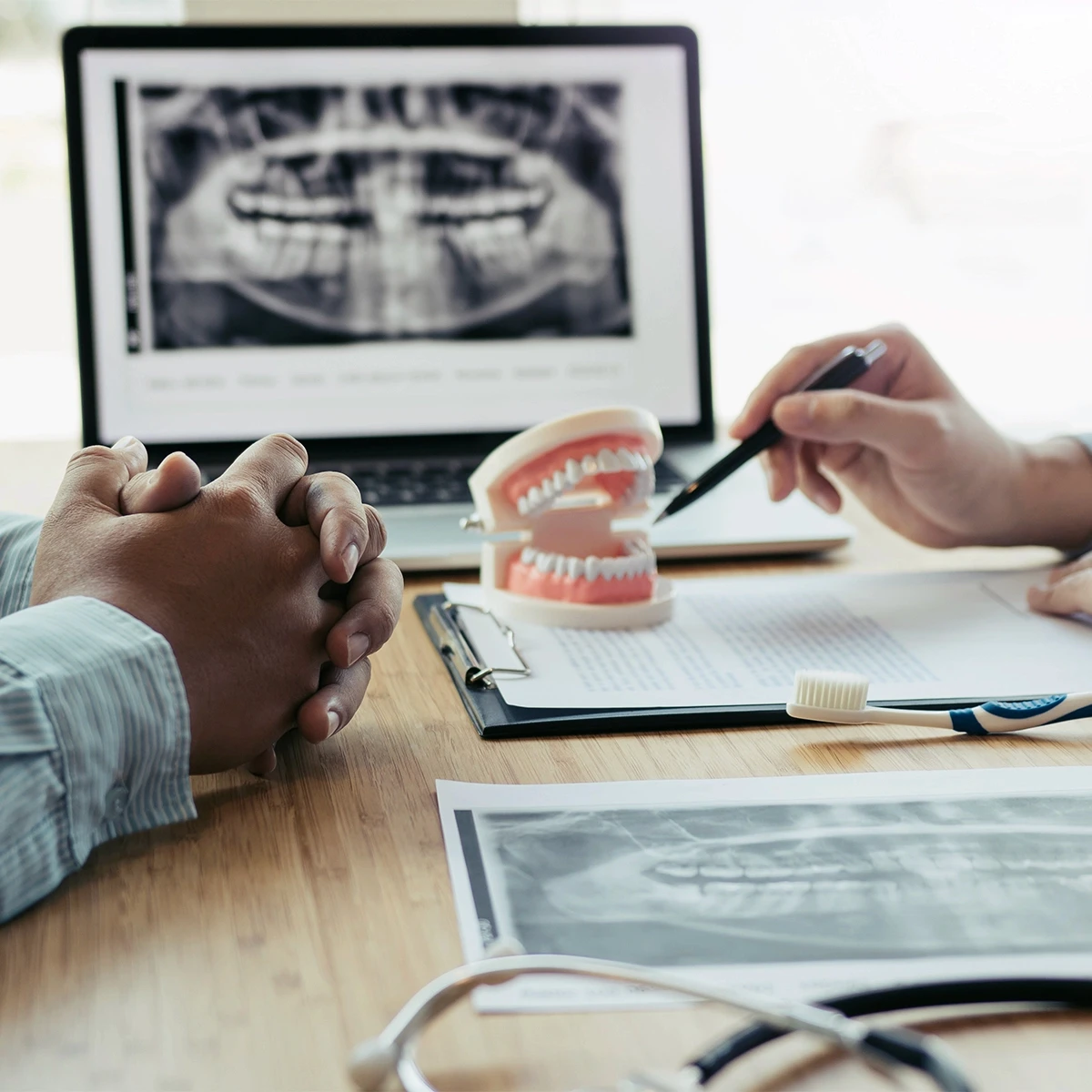
Full dentures in Turkey
Functional dentures for complete quality of life & aesthetics
A complete denture (also called a full denture) offers the optimal solution when there are no longer any natural teeth in the upper or lower jaw. This individual denture not only restores full chewing and speech function, but also effectively supports sunken lip and cheek areas – for a natural, rejuvenated appearance. The denture is held in place by a fine suction effect between the denture and the oral mucosa, with the upper jaw usually offering better retention than the lower jaw due to the wider contact area on the palate. Precise measurement of facial physiognomy and state-of-the-art plastics ensure an excellent fit, optimal hold, and natural gum aesthetics.
Modern dental technology makes a complete denture in Turkey a first-class and, at the same time, significantly more affordable alternative to what is available in this country. Our partner clinics in Istanbul custom-make each denture to fit precisely and look after you personally throughout your entire stay – arrange your free consultation appointment now.
Full dentures in Turkey
Functional dentures for complete quality of life & aesthetics
A complete denture (also called a full denture) offers the optimal solution when there are no longer any natural teeth in the upper or lower jaw. This individual denture not only restores full chewing and speech function, but also effectively supports sunken lip and cheek areas – for a natural, rejuvenated appearance. The denture is held in place by a fine suction effect between the denture and the oral mucosa, with the upper jaw usually offering better retention than the lower jaw due to the wider contact area on the palate. Precise measurement of facial physiognomy and state-of-the-art plastics ensure an excellent fit, optimal hold, and natural gum aesthetics.
Modern dental technology makes a complete denture in Turkey a first-class and, at the same time, significantly more affordable alternative to what is available in this country. Our partner clinics in Istanbul custom-make each denture to fit precisely and look after you personally throughout your entire stay – arrange your free consultation appointment now.
Full dentures in Turkey
Functional dentures for complete quality of life & aesthetics
A complete denture (also called a full denture) offers the optimal solution when there are no longer any natural teeth in the upper or lower jaw. This individual denture not only restores full chewing and speech function, but also effectively supports sunken lip and cheek areas – for a natural, rejuvenated appearance. The denture is held in place by a fine suction effect between the denture and the oral mucosa, with the upper jaw usually offering better retention than the lower jaw due to the wider contact area on the palate. Precise measurement of facial physiognomy and state-of-the-art plastics ensure an excellent fit, optimal hold, and natural gum aesthetics.
Modern dental technology makes a complete denture in Turkey a first-class and, at the same time, significantly more affordable alternative to what is available in this country. Our partner clinics in Istanbul custom-make each denture to fit precisely and look after you personally throughout your entire stay – arrange your free consultation appointment now.
The Partial Denture
The simplest version of a partial denture consists of a plastic base and the teeth to be replaced. Additionally, it includes curved retention elements and support elements, clasps as retention elements, and ideally additional support pins as support elements. These prevent the dental prosthesis from sinking.
A partial denture usually has good stability, as it can be anchored to the existing healthy teeth.
The Partial Denture
The simplest version of a partial denture consists of a plastic base and the teeth to be replaced. Additionally, it includes curved retention elements and support elements, clasps as retention elements, and ideally additional support pins as support elements. These prevent the dental prosthesis from sinking.
A partial denture usually has good stability, as it can be anchored to the existing healthy teeth.
The Partial Denture
The simplest version of a partial denture consists of a plastic base and the teeth to be replaced. Additionally, it includes curved retention elements and support elements, clasps as retention elements, and ideally additional support pins as support elements. These prevent the dental prosthesis from sinking.
A partial denture usually has good stability, as it can be anchored to the existing healthy teeth.
Clamp Prosthesis
The clasp prosthesis is anchored to the remaining teeth. This represents the simplest and most cost-effective dental prosthesis, which can be reinforced with an integrated wire or bar.
There are various methods:
In the clasp prosthesis, the prosthesis is anchored with clasps.
In the o-ring prosthesis, adjacent teeth are crowned and then an o-ring is attached to the teeth so that the dental prosthesis can be anchored there.
For the telescope prosthesis, adjacent teeth are also crowned, and the prosthesis is fixed to the crowns with a metal cone.
Clamp Prosthesis
The clasp prosthesis is anchored to the remaining teeth. This represents the simplest and most cost-effective dental prosthesis, which can be reinforced with an integrated wire or bar.
There are various methods:
In the clasp prosthesis, the prosthesis is anchored with clasps.
In the o-ring prosthesis, adjacent teeth are crowned and then an o-ring is attached to the teeth so that the dental prosthesis can be anchored there.
For the telescope prosthesis, adjacent teeth are also crowned, and the prosthesis is fixed to the crowns with a metal cone.
Clamp Prosthesis
The clasp prosthesis is anchored to the remaining teeth. This represents the simplest and most cost-effective dental prosthesis, which can be reinforced with an integrated wire or bar.
There are various methods:
In the clasp prosthesis, the prosthesis is anchored with clasps.
In the o-ring prosthesis, adjacent teeth are crowned and then an o-ring is attached to the teeth so that the dental prosthesis can be anchored there.
For the telescope prosthesis, adjacent teeth are also crowned, and the prosthesis is fixed to the crowns with a metal cone.
| Costs
The Cost of a Dental Prosthesis in Turkey
| Costs
The Cost of a Dental Prosthesis in Turkey
| Costs
The Cost of a Dental Prosthesis in Turkey
The costs for dental treatments are based on the digital X-rays and your individual healing plan. Only on this basis can a binding and transparent cost calculation be made.
CEREC preliminary examination
No prepayment required
Flexible financing
VIP round-the-clock transfer
English-speaking assistants in the clinic
Accompanying Person Free of Charge
What is included?
The costs for dental treatments are based on the digital X-rays and your individual healing plan. Only on this basis can a binding and transparent cost calculation be made.
CEREC preliminary examination
No prepayment required
Flexible financing
VIP round-the-clock transfer
English-speaking assistants in the clinic
Accompanying Person Free of Charge
What is included?
The costs for dental treatments are based on the digital X-rays and your individual healing plan. Only on this basis can a binding and transparent cost calculation be made.
CEREC preliminary examination
No prepayment required
Flexible financing
VIP round-the-clock transfer
English-speaking assistants in the clinic
Accompanying Person Free of Charge
What is included?
| Contact us Today
Plan your online meeting with us
Book a consultation appointment and get closer to your journey towards a breathtaking transformation.

| Contact us Today
Plan your online meeting with us
Book a consultation appointment and get closer to your journey towards a breathtaking transformation.
| Contact us Today
Plan your online meeting with us
Book a consultation appointment and get closer to your journey towards a breathtaking transformation.
| FAQ
Frequently Asked Questions
Do you have any questions?
Can't find the right answer? Just write us a message on WhatsApp and we will get back to you as soon as possible!
Ask via WhatsApp
What can one expect from a dental prosthesis?
A dental prosthesis may initially feel strangely large and produce increased saliva flow. Cut food into small pieces and avoid hot and hard foods until the tissue on which the prosthesis rests has adjusted to the new teeth.
Who should consider getting a dental prosthesis?
A prosthesis is suitable for anyone who is missing teeth to varying degrees. There are complete dentures for toothless individuals and partial dentures for those with natural teeth. This is important to prevent the remaining natural teeth from shifting. The dental replacement optimizes chewing and speaking. The face becomes more attractive because the appearance and smile are significantly improved.
How do I clean the dentures?
The dentures should be cleaned after every meal if possible. The dental prosthesis is brushed and the mouth is rinsed. This removes any residue. Soak the prosthesis overnight after it has been cleaned.
Should the dental prosthesis also be worn at night?
It is recommended to remove them at night. Studies emphasize that removing the prosthesis for at least eight hours allows the gum to rest. This enables normal stimulation and cleaning by the tongue and saliva, which ensures the long-term health of the gum.
| FAQ
Frequently Asked Questions
What can one expect from a dental prosthesis?
A dental prosthesis may initially feel strangely large and produce increased saliva flow. Cut food into small pieces and avoid hot and hard foods until the tissue on which the prosthesis rests has adjusted to the new teeth.
Who should consider getting a dental prosthesis?
A prosthesis is suitable for anyone who is missing teeth to varying degrees. There are complete dentures for toothless individuals and partial dentures for those with natural teeth. This is important to prevent the remaining natural teeth from shifting. The dental replacement optimizes chewing and speaking. The face becomes more attractive because the appearance and smile are significantly improved.
How do I clean the dentures?
The dentures should be cleaned after every meal if possible. The dental prosthesis is brushed and the mouth is rinsed. This removes any residue. Soak the prosthesis overnight after it has been cleaned.
Should the dental prosthesis also be worn at night?
It is recommended to remove them at night. Studies emphasize that removing the prosthesis for at least eight hours allows the gum to rest. This enables normal stimulation and cleaning by the tongue and saliva, which ensures the long-term health of the gum.
Do you have any questions?
Can't find the right answer? Just write us a message on WhatsApp and we will get back to you as soon as possible!
Ask via WhatsApp
| FAQ
Frequently Asked Questions
What can one expect from a dental prosthesis?
A dental prosthesis may initially feel strangely large and produce increased saliva flow. Cut food into small pieces and avoid hot and hard foods until the tissue on which the prosthesis rests has adjusted to the new teeth.
Who should consider getting a dental prosthesis?
A prosthesis is suitable for anyone who is missing teeth to varying degrees. There are complete dentures for toothless individuals and partial dentures for those with natural teeth. This is important to prevent the remaining natural teeth from shifting. The dental replacement optimizes chewing and speaking. The face becomes more attractive because the appearance and smile are significantly improved.
How do I clean the dentures?
The dentures should be cleaned after every meal if possible. The dental prosthesis is brushed and the mouth is rinsed. This removes any residue. Soak the prosthesis overnight after it has been cleaned.
Should the dental prosthesis also be worn at night?
It is recommended to remove them at night. Studies emphasize that removing the prosthesis for at least eight hours allows the gum to rest. This enables normal stimulation and cleaning by the tongue and saliva, which ensures the long-term health of the gum.
Do you have any questions?
Can't find the right answer? Just write us a message on WhatsApp and we will get back to you as soon as possible!
Ask via WhatsApp
Request now

Your Beauty and Health Agency
since 2006
The treatments are carried out in contractually bound health facilities approved for international health tourism.
Opening hours
Office - London 128 City Road, EC1V 2NX
Monday to Friday: 9:00 AM – 6:00 PM Saturday: 10:00 AM – 2:00 PM

Consulting center since 2008.
TÜV certified since 2012

Certificate for International Health Tourism

Your Beauty and Medical Agency since 2006
The treatments are carried out in contractually bound health facilities approved for international health tourism.
Opening hours
Office - London 128 City Road, EC1V 2NX
Monday to Friday: 9:00 AM – 6:00 PM Saturday: 10:00 AM – 2:00 PM
Consulting center since 2008.
TÜV certified since 2012
Certificate for International Health Tourism
Copyright © Beauty Travels 24 2006-2026
Your Beauty and Medical Agency since 2006
The treatments are carried out in contractually bound health facilities approved for international health tourism.
Opening hours
Office - London 128 City Road, EC1V 2NX
Monday to Friday: 9:00 AM – 6:00 PM Saturday: 10:00 AM – 2:00 PM
Consulting center since 2008.
TÜV certified since 2012
Certificate for International Health Tourism