

The Classic In-Vitro Fertilization (IVF)
Your path to fulfilling your desire to have children
More than 30,000 operations performed
TÜV Certified Since 2012
Professional and cost-effective




The Classic In-Vitro Fertilization (IVF)
Your path to fulfilling your desire to have children
More than 30,000 operations performed
TÜV Certified Since 2012
Professional and cost-effective
The Classic In-Vitro Fertilization (IVF)
Your path to fulfilling your desire to have children
More than 30,000 operations performed
TÜV Certified Since 2012
Professional and cost-effective
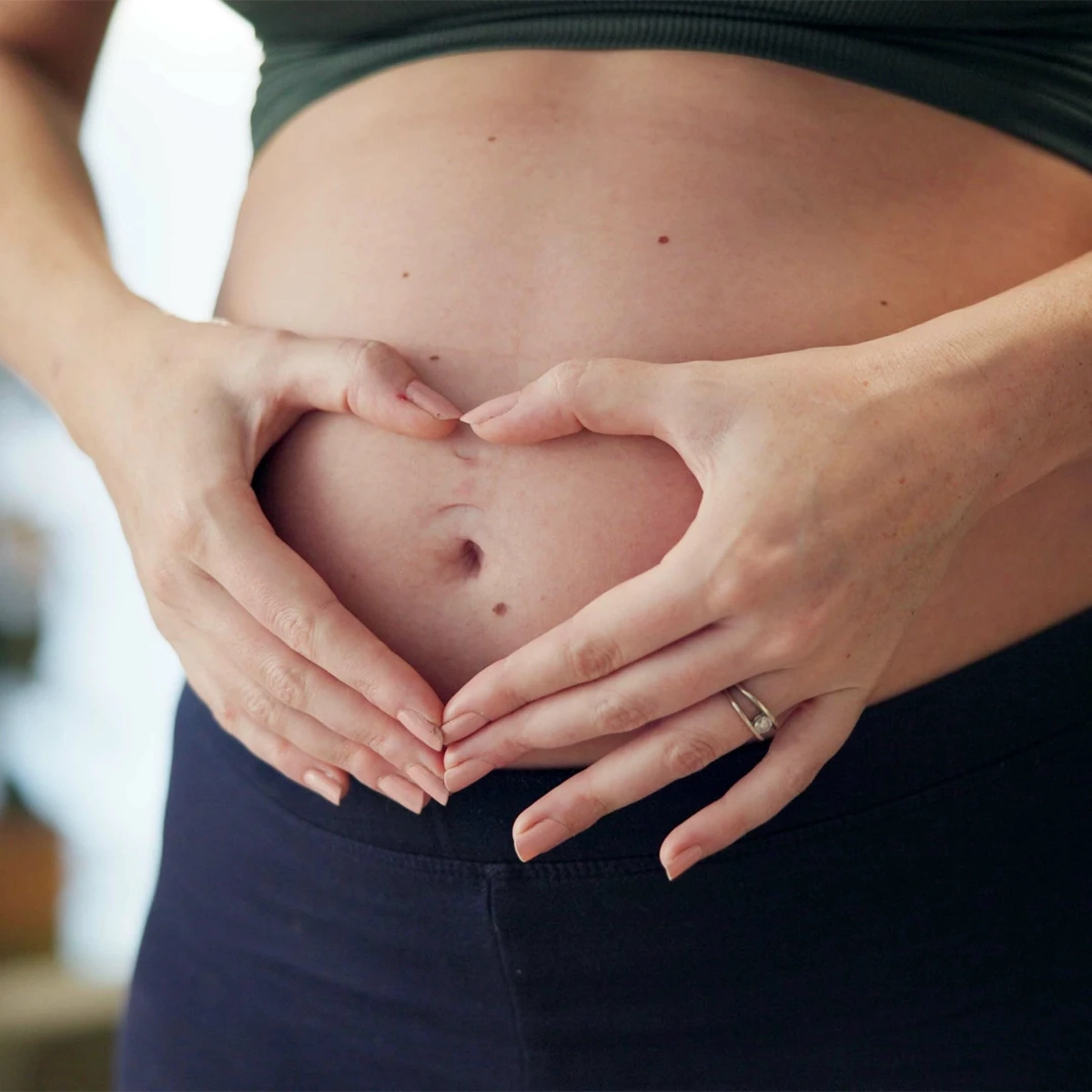
In Vitro Fertilization (IVF)
In vitro fertilization (IVF) is the oldest method of artificial insemination. The term 'in vitro' refers to organic processes that take place outside the body in a test tube. There, the connection occurs between the woman's harvested egg and the man's sperm. If fertilization – that is, the fertilization – is successful, one or more fertilized eggs are transferred from the test tube into the woman's uterus.
This procedure was first achieved by scientists Steptoe and Edwards in 1978. While today the ovaries are treated with hormones in most cases, the two doctors intervened in the spontaneous menstrual cycle at that time and retrieved the egg. The advantage of today's hormone treatment: multiple eggs can mature and be retrieved simultaneously. This increases the chances of success.
In Vitro Fertilization (IVF)
In vitro fertilization (IVF) is the oldest method of artificial insemination. The term 'in vitro' refers to organic processes that take place outside the body in a test tube. There, the connection occurs between the woman's harvested egg and the man's sperm. If fertilization – that is, the fertilization – is successful, one or more fertilized eggs are transferred from the test tube into the woman's uterus.
This procedure was first achieved by scientists Steptoe and Edwards in 1978. While today the ovaries are treated with hormones in most cases, the two doctors intervened in the spontaneous menstrual cycle at that time and retrieved the egg. The advantage of today's hormone treatment: multiple eggs can mature and be retrieved simultaneously. This increases the chances of success.
In Vitro Fertilization (IVF)
In vitro fertilization (IVF) is the oldest method of artificial insemination. The term 'in vitro' refers to organic processes that take place outside the body in a test tube. There, the connection occurs between the woman's harvested egg and the man's sperm. If fertilization – that is, the fertilization – is successful, one or more fertilized eggs are transferred from the test tube into the woman's uterus.
This procedure was first achieved by scientists Steptoe and Edwards in 1978. While today the ovaries are treated with hormones in most cases, the two doctors intervened in the spontaneous menstrual cycle at that time and retrieved the egg. The advantage of today's hormone treatment: multiple eggs can mature and be retrieved simultaneously. This increases the chances of success.
The Individual Steps of an IVF Treatment

Hormonal stimulation of the ovaries is carried out with the hormone gonadotropin. At this stage of IVF, egg maturation is stimulated. As with cycle monitoring, the doctor monitors the number and growth of the follicles by ultrasound scans from about the sixth to tenth day of the cycle. Once several follicles have grown to a certain size, the woman is given an injection of the hormone chorionic gonadotropin, which triggers ovulation.
32 to 36 hours later, shortly before ovulation, the so-called follicle puncture takes place. This is a short surgical procedure. Under ultrasound guidance, the doctor removes the mature eggs from the ovaries using a fine needle. Ideally, between five and ten eggs are then retrieved via the vagina and transferred to a nutrient medium in the test tube. There, they meet the partner's fresh sperm, which was obtained through masturbation. The test tube is then placed in a warm incubator. After just one day, it is possible to check whether the in vitro fertilization has been successful.
If successful, the reproductive physician inserts the eggs into the uterus after one to two days. The embryo transfer is done through a thin, flexible tube inserted through the vagina. This procedure does not cause any pain. If good quality embryos are still present after the transfer, it is possible to freeze these surplus eggs. This so-called cryopreservation saves the woman from further hormonal stimulation and egg retrieval.
After the transfer, the luteal phase takes place in the woman's body, which is hormonally supported by the drug progesterone. It helps the fertilized egg to implant. It takes about two weeks before a pregnancy can be detected by the presence of the pregnancy hormone hCG in the blood or urine.
The Individual Steps of an IVF Treatment
Hormonal stimulation of the ovaries is carried out with the hormone gonadotropin. At this stage of IVF, egg maturation is stimulated. As with cycle monitoring, the doctor monitors the number and growth of the follicles by ultrasound scans from about the sixth to tenth day of the cycle. Once several follicles have grown to a certain size, the woman is given an injection of the hormone chorionic gonadotropin, which triggers ovulation.
32 to 36 hours later, shortly before ovulation, the so-called follicle puncture takes place. This is a short surgical procedure. Under ultrasound guidance, the doctor removes the mature eggs from the ovaries using a fine needle. Ideally, between five and ten eggs are then retrieved via the vagina and transferred to a nutrient medium in the test tube. There, they meet the partner's fresh sperm, which was obtained through masturbation. The test tube is then placed in a warm incubator. After just one day, it is possible to check whether the in vitro fertilization has been successful.
If successful, the reproductive physician inserts the eggs into the uterus after one to two days. The embryo transfer is done through a thin, flexible tube inserted through the vagina. This procedure does not cause any pain. If good quality embryos are still present after the transfer, it is possible to freeze these surplus eggs. This so-called cryopreservation saves the woman from further hormonal stimulation and egg retrieval.
After the transfer, the luteal phase takes place in the woman's body, which is hormonally supported by the drug progesterone. It helps the fertilized egg to implant. It takes about two weeks before a pregnancy can be detected by the presence of the pregnancy hormone hCG in the blood or urine.
The Individual Steps of an IVF Treatment
Hormonal stimulation of the ovaries is carried out with the hormone gonadotropin. At this stage of IVF, egg maturation is stimulated. As with cycle monitoring, the doctor monitors the number and growth of the follicles by ultrasound scans from about the sixth to tenth day of the cycle. Once several follicles have grown to a certain size, the woman is given an injection of the hormone chorionic gonadotropin, which triggers ovulation.
32 to 36 hours later, shortly before ovulation, the so-called follicle puncture takes place. This is a short surgical procedure. Under ultrasound guidance, the doctor removes the mature eggs from the ovaries using a fine needle. Ideally, between five and ten eggs are then retrieved via the vagina and transferred to a nutrient medium in the test tube. There, they meet the partner's fresh sperm, which was obtained through masturbation. The test tube is then placed in a warm incubator. After just one day, it is possible to check whether the in vitro fertilization has been successful.
If successful, the reproductive physician inserts the eggs into the uterus after one to two days. The embryo transfer is done through a thin, flexible tube inserted through the vagina. This procedure does not cause any pain. If good quality embryos are still present after the transfer, it is possible to freeze these surplus eggs. This so-called cryopreservation saves the woman from further hormonal stimulation and egg retrieval.
After the transfer, the luteal phase takes place in the woman's body, which is hormonally supported by the drug progesterone. It helps the fertilized egg to implant. It takes about two weeks before a pregnancy can be detected by the presence of the pregnancy hormone hCG in the blood or urine.
What are the chances of success?
The success rates of IVF treatment have improved over the years. The retrieval of multiple cells combined with ovarian stimulation using gonadotropins is key to this success story. The success rates of Turkish clinics are even above the world average. For women under 38 years old, and with the use of healthy sperm cells, a pregnancy occurs after in vitro fertilization including embryo transfer in two out of three women. This number applies to fresh transfer – that is, the transfer of a 'fresh' fertilized egg in the test tube.
The pregnancy rate for a previously frozen and thawed fertilized egg for transfer – known as cryo-transfer – is around half. However, this rate can be further increased when the reproductive specialist transfers multiple embryos. Turkish specialists also point out that when transferring multiple embryos during IVF, the risk of twin or triplet births increases. Ultimately, decisive factors for the success of IVF are the individual fertility disorder and the age of the woman. Statistically speaking, the pregnancy and birth rate after embryo transfer decreases with the increasing age of the patient.
What are the chances of success?
The success rates of IVF treatment have improved over the years. The retrieval of multiple cells combined with ovarian stimulation using gonadotropins is key to this success story. The success rates of Turkish clinics are even above the world average. For women under 38 years old, and with the use of healthy sperm cells, a pregnancy occurs after in vitro fertilization including embryo transfer in two out of three women. This number applies to fresh transfer – that is, the transfer of a 'fresh' fertilized egg in the test tube.
The pregnancy rate for a previously frozen and thawed fertilized egg for transfer – known as cryo-transfer – is around half. However, this rate can be further increased when the reproductive specialist transfers multiple embryos. Turkish specialists also point out that when transferring multiple embryos during IVF, the risk of twin or triplet births increases. Ultimately, decisive factors for the success of IVF are the individual fertility disorder and the age of the woman. Statistically speaking, the pregnancy and birth rate after embryo transfer decreases with the increasing age of the patient.
What are the chances of success?
The success rates of IVF treatment have improved over the years. The retrieval of multiple cells combined with ovarian stimulation using gonadotropins is key to this success story. The success rates of Turkish clinics are even above the world average. For women under 38 years old, and with the use of healthy sperm cells, a pregnancy occurs after in vitro fertilization including embryo transfer in two out of three women. This number applies to fresh transfer – that is, the transfer of a 'fresh' fertilized egg in the test tube.
The pregnancy rate for a previously frozen and thawed fertilized egg for transfer – known as cryo-transfer – is around half. However, this rate can be further increased when the reproductive specialist transfers multiple embryos. Turkish specialists also point out that when transferring multiple embryos during IVF, the risk of twin or triplet births increases. Ultimately, decisive factors for the success of IVF are the individual fertility disorder and the age of the woman. Statistically speaking, the pregnancy and birth rate after embryo transfer decreases with the increasing age of the patient.
| Costs
The Costs for an IVF
| Costs
The Costs for an IVF
| Costs
The Costs for an IVF
No prepayment required
TÜV-certified service and JCI-accredited clinic
Flexible financing
VIP round-the-clock transfer
English-speaking assistants in the clinic
Accompanying Person Free of Charge
What is included?
No prepayment required
TÜV-certified service and JCI-accredited clinic
Flexible financing
VIP round-the-clock transfer
English-speaking assistants in the clinic
Accompanying Person Free of Charge
What is included?
No prepayment required
TÜV-certified service and JCI-accredited clinic
Flexible financing
VIP round-the-clock transfer
English-speaking assistants in the clinic
Accompanying Person Free of Charge
What is included?
| Contact us Today
Plan your online meeting with us
Book a consultation appointment and get closer to your journey towards a breathtaking transformation.

| Contact us Today
Plan your online meeting with us
Book a consultation appointment and get closer to your journey towards a breathtaking transformation.
| Contact us Today
Plan your online meeting with us
Book a consultation appointment and get closer to your journey towards a breathtaking transformation.
| FAQ
Frequently Asked Questions
Do you have any questions?
Can't find the right answer? Just write us a message on WhatsApp and we will get back to you as soon as possible!
Ask via WhatsApp
Who is IVF suitable for?
If the woman suffers from a fallopian tube blockage or has antibodies against her partner's sperm, IVF may be an option for the couple. The procedure is also suitable for couples who suffer from poor sperm quality in the man, making fertilization impossible.
Are there disadvantages and risks?
In vitro fertilization works exclusively with hormone treatment. This can individually cause the affected woman to suffer emotionally or physically. However, about 99 percent of all treatments in Turkey proceed without complications.
What causes fertility disorders?
In the past 10 years, the number of women who wanted to realize their desire to have children only after the age of 30 has doubled. Today, more than one in ten born children have a mother who is over 35 years old. Additionally, the increasing fertility disorders diagnosed in men are a reason for seeking fertility treatment. For pregnancy to occur, the reproductive organs must also be properly formed. There should not be any functional impairments such as the blockage of the fallopian tubes or vas deferens due to inflammation. It is advisable to conduct a thorough investigation of the fertility disorders in both women and men before starting treatment.
What is the probability of becoming pregnant through artificial insemination?
The outcome mainly depends on the factors "age of the woman", "number of transferred embryos", and "quality of the transferred embryos". The success rate is higher the younger the treated woman is and the more often one or two "ideal" embryos are transferred.
Is hormonal treatment always necessary for IVF?
The highest pregnancy rates per treatment cycle are achieved through hormonal stimulation. There is also the option of artificial insemination in a natural cycle, which eliminates the need for injecting stimulation medications. However, the achievable pregnancy rate per cycle is significantly lower compared to standard IVF with hormonal stimulation.
Is an embryo transfer painful?
No, in most cases the patient does not feel the return of the embryos using a thin, soft, flexible catheter.
| FAQ
Frequently Asked Questions
Who is IVF suitable for?
If the woman suffers from a fallopian tube blockage or has antibodies against her partner's sperm, IVF may be an option for the couple. The procedure is also suitable for couples who suffer from poor sperm quality in the man, making fertilization impossible.
Are there disadvantages and risks?
In vitro fertilization works exclusively with hormone treatment. This can individually cause the affected woman to suffer emotionally or physically. However, about 99 percent of all treatments in Turkey proceed without complications.
What causes fertility disorders?
In the past 10 years, the number of women who wanted to realize their desire to have children only after the age of 30 has doubled. Today, more than one in ten born children have a mother who is over 35 years old. Additionally, the increasing fertility disorders diagnosed in men are a reason for seeking fertility treatment. For pregnancy to occur, the reproductive organs must also be properly formed. There should not be any functional impairments such as the blockage of the fallopian tubes or vas deferens due to inflammation. It is advisable to conduct a thorough investigation of the fertility disorders in both women and men before starting treatment.
What is the probability of becoming pregnant through artificial insemination?
The outcome mainly depends on the factors "age of the woman", "number of transferred embryos", and "quality of the transferred embryos". The success rate is higher the younger the treated woman is and the more often one or two "ideal" embryos are transferred.
Is hormonal treatment always necessary for IVF?
The highest pregnancy rates per treatment cycle are achieved through hormonal stimulation. There is also the option of artificial insemination in a natural cycle, which eliminates the need for injecting stimulation medications. However, the achievable pregnancy rate per cycle is significantly lower compared to standard IVF with hormonal stimulation.
Is an embryo transfer painful?
No, in most cases the patient does not feel the return of the embryos using a thin, soft, flexible catheter.
Do you have any questions?
Can't find the right answer? Just write us a message on WhatsApp and we will get back to you as soon as possible!
Ask via WhatsApp
| FAQ
Frequently Asked Questions
Who is IVF suitable for?
If the woman suffers from a fallopian tube blockage or has antibodies against her partner's sperm, IVF may be an option for the couple. The procedure is also suitable for couples who suffer from poor sperm quality in the man, making fertilization impossible.
Are there disadvantages and risks?
In vitro fertilization works exclusively with hormone treatment. This can individually cause the affected woman to suffer emotionally or physically. However, about 99 percent of all treatments in Turkey proceed without complications.
What causes fertility disorders?
In the past 10 years, the number of women who wanted to realize their desire to have children only after the age of 30 has doubled. Today, more than one in ten born children have a mother who is over 35 years old. Additionally, the increasing fertility disorders diagnosed in men are a reason for seeking fertility treatment. For pregnancy to occur, the reproductive organs must also be properly formed. There should not be any functional impairments such as the blockage of the fallopian tubes or vas deferens due to inflammation. It is advisable to conduct a thorough investigation of the fertility disorders in both women and men before starting treatment.
What is the probability of becoming pregnant through artificial insemination?
The outcome mainly depends on the factors "age of the woman", "number of transferred embryos", and "quality of the transferred embryos". The success rate is higher the younger the treated woman is and the more often one or two "ideal" embryos are transferred.
Is hormonal treatment always necessary for IVF?
The highest pregnancy rates per treatment cycle are achieved through hormonal stimulation. There is also the option of artificial insemination in a natural cycle, which eliminates the need for injecting stimulation medications. However, the achievable pregnancy rate per cycle is significantly lower compared to standard IVF with hormonal stimulation.
Is an embryo transfer painful?
No, in most cases the patient does not feel the return of the embryos using a thin, soft, flexible catheter.
Do you have any questions?
Can't find the right answer? Just write us a message on WhatsApp and we will get back to you as soon as possible!
Ask via WhatsApp
Request now

Your Beauty and Health Agency
since 2006
The treatments are carried out in contractually bound health facilities approved for international health tourism.
Opening hours
Office - London 128 City Road, EC1V 2NX
Monday to Friday: 9:00 AM – 6:00 PM Saturday: 10:00 AM – 2:00 PM

Consulting center since 2008.
TÜV certified since 2012

Certificate for International Health Tourism


Your Beauty and Medical Agency since 2006
The treatments are carried out in contractually bound health facilities approved for international health tourism.
Opening hours
Office - London 128 City Road, EC1V 2NX
Monday to Friday: 9:00 AM – 6:00 PM Saturday: 10:00 AM – 2:00 PM
Consulting center since 2008.
TÜV certified since 2012
Certificate for International Health Tourism
Copyright © Beauty Travels 24 2006-2026
Your Beauty and Medical Agency since 2006
The treatments are carried out in contractually bound health facilities approved for international health tourism.
Opening hours
Office - London 128 City Road, EC1V 2NX
Monday to Friday: 9:00 AM – 6:00 PM Saturday: 10:00 AM – 2:00 PM
Consulting center since 2008.
TÜV certified since 2012
Certificate for International Health Tourism