
Intracytoplasmic sperm injection (ICSI)
Your path to fulfilling your desire to have children
More than 30,000 operations performed
TÜV Certified Since 2012
Professional and cost-effective




Intracytoplasmic sperm injection (ICSI)
Your path to fulfilling your desire to have children
More than 30,000 operations performed
TÜV Certified Since 2012
Professional and cost-effective
Intracytoplasmic sperm injection (ICSI)
Your path to fulfilling your desire to have children
More than 30,000 operations performed
TÜV Certified Since 2012
Professional and cost-effective
Intracytoplasmic Sperm Injection (ICSI)
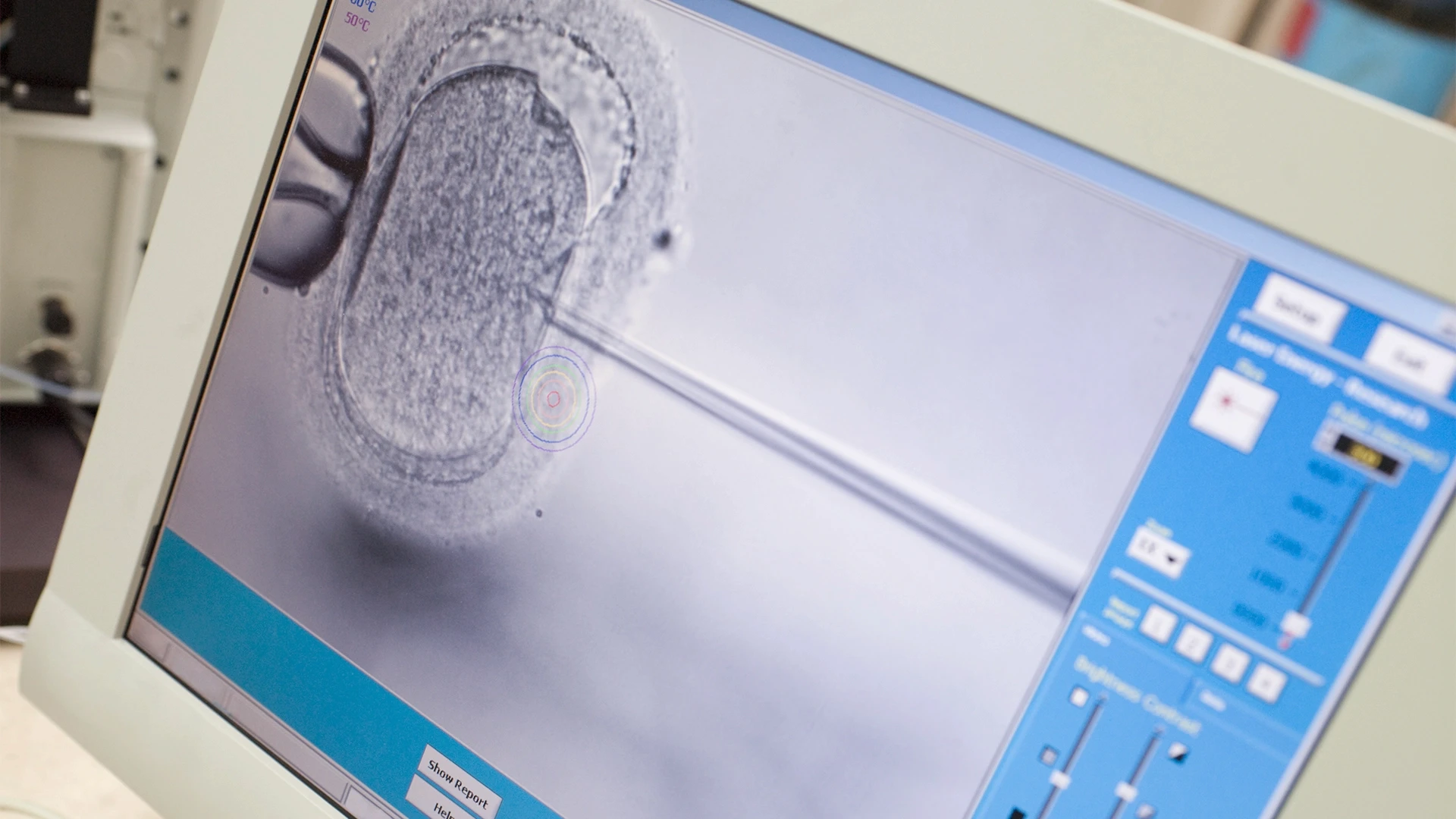
In the methods of artificial insemination, ICSI (intracytoplasmic sperm injection) is now the most commonly used. It requires only one fertilizable sperm and one egg. The ICSI procedure involves injecting a single sperm directly into the interior of the egg, known as the cytoplasm, using a fine pipette. This process mimics the natural penetration of the male sperm into the female egg, but it takes place outside the female body and is monitored under a microscope.
Intracytoplasmic Sperm Injection (ICSI)
In the methods of artificial insemination, ICSI (intracytoplasmic sperm injection) is now the most commonly used. It requires only one fertilizable sperm and one egg. The ICSI procedure involves injecting a single sperm directly into the interior of the egg, known as the cytoplasm, using a fine pipette. This process mimics the natural penetration of the male sperm into the female egg, but it takes place outside the female body and is monitored under a microscope.
Intracytoplasmic Sperm Injection (ICSI)
In the methods of artificial insemination, ICSI (intracytoplasmic sperm injection) is now the most commonly used. It requires only one fertilizable sperm and one egg. The ICSI procedure involves injecting a single sperm directly into the interior of the egg, known as the cytoplasm, using a fine pipette. This process mimics the natural penetration of the male sperm into the female egg, but it takes place outside the female body and is monitored under a microscope.
Who is ICSI suitable for?
Specifically for couples where the man's limited fertility is responsible for the unfulfilled desire for children, the ICSI treatment is an option. In these cases, the man's sperm contains no or very few fertilizable sperm. There can be various reasons for this: absent vas deferens, blocked sperm ducts, or impaired sperm production in the testicles. If the sperm is completely absent in the ejaculate, it can be retrieved through a surgical procedure from the testicles or epididymis.
The ICSI procedure is also promising when only frozen sperm is available, for example after cancer treatment. Even when the reasons for the unfulfilled desire for children are unexplained and both partners suffer from fertility disorders, the ICSI procedure can help. Sometimes, ICSI is a good alternative for older couples for artificial insemination.
Success Rates
Over 70 percent of the eggs are fertilized. However, the chances of a successful pregnancy depend on individual factors such as the woman’s fertility and age. For the desired parenthood to occur, many steps in reproductive medicine must fit together precisely. The stimulation of the ovaries, the further development of the fertilized egg, or the implantation of the egg into the uterus must work. Once the fertilized cell is implanted in the uterus, the chance of a successful pregnancy is good.
Who is ICSI suitable for?
Specifically for couples where the man's limited fertility is responsible for the unfulfilled desire for children, the ICSI treatment is an option. In these cases, the man's sperm contains no or very few fertilizable sperm. There can be various reasons for this: absent vas deferens, blocked sperm ducts, or impaired sperm production in the testicles. If the sperm is completely absent in the ejaculate, it can be retrieved through a surgical procedure from the testicles or epididymis.
The ICSI procedure is also promising when only frozen sperm is available, for example after cancer treatment. Even when the reasons for the unfulfilled desire for children are unexplained and both partners suffer from fertility disorders, the ICSI procedure can help. Sometimes, ICSI is a good alternative for older couples for artificial insemination.
Success Rates
Over 70 percent of the eggs are fertilized. However, the chances of a successful pregnancy depend on individual factors such as the woman’s fertility and age. For the desired parenthood to occur, many steps in reproductive medicine must fit together precisely. The stimulation of the ovaries, the further development of the fertilized egg, or the implantation of the egg into the uterus must work. Once the fertilized cell is implanted in the uterus, the chance of a successful pregnancy is good.
Who is ICSI suitable for?
Specifically for couples where the man's limited fertility is responsible for the unfulfilled desire for children, the ICSI treatment is an option. In these cases, the man's sperm contains no or very few fertilizable sperm. There can be various reasons for this: absent vas deferens, blocked sperm ducts, or impaired sperm production in the testicles. If the sperm is completely absent in the ejaculate, it can be retrieved through a surgical procedure from the testicles or epididymis.
The ICSI procedure is also promising when only frozen sperm is available, for example after cancer treatment. Even when the reasons for the unfulfilled desire for children are unexplained and both partners suffer from fertility disorders, the ICSI procedure can help. Sometimes, ICSI is a good alternative for older couples for artificial insemination.
Success Rates
Over 70 percent of the eggs are fertilized. However, the chances of a successful pregnancy depend on individual factors such as the woman’s fertility and age. For the desired parenthood to occur, many steps in reproductive medicine must fit together precisely. The stimulation of the ovaries, the further development of the fertilized egg, or the implantation of the egg into the uterus must work. Once the fertilized cell is implanted in the uterus, the chance of a successful pregnancy is good.
How does the ICSI method work?
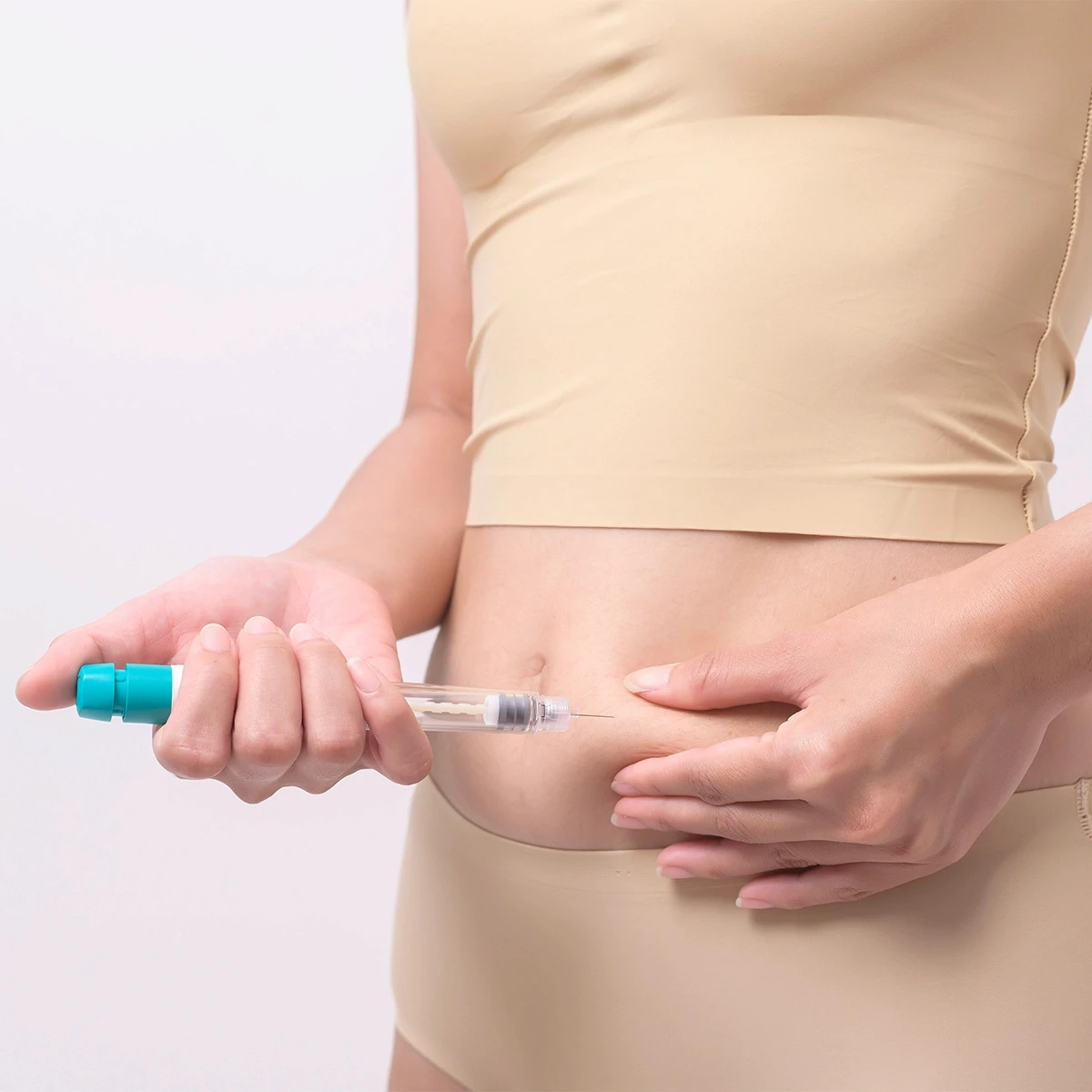
In the first step, the ovaries of the affected patient are stimulated with hormone preparations. This stimulates the maturation of several egg follicles. Once the ovarian stimulation has produced enough egg follicles, the reproductive specialist hormonally triggers ovulation in the woman. For this, human chorionic gonadotropin (hCG) is injected, after which the mature follicles release a fertilizable egg. After about 36 to 48 hours, the surgeon uses a thin needle to retrieve the eggs from the ovary through the vagina. For this procedure, the patient is lightly sedated.
At the same time, the man must provide fresh sperm through masturbation. Prepared frozen sperm also works. The specialist selects a suitable sperm cell for injection based on appearance, shape, and motility.
In the next step, the intracytoplasmic sperm injection is performed using micromanipulators and micropipettes under a microscope. The egg is first fixed, and from the opposite side, a microinjector containing a single sperm is brought close. The injector is inserted through the cytoplasm of the egg. After the injection, the egg is transferred to the culture medium of a cell culture and checked for successful fertilization the next day.
Subsequently, the fertilized egg is placed in an incubator for two to four days, where it continues to develop through cell division in the event of success. This paves the way for the transfer of the resulting embryo into the uterus. If multiple eggs were fertilized through this procedure, up to three embryos can also be transferred into the uterus via the vagina in Turkey. This increases the chances of success. Additional eggs can be frozen through cryopreservation for a potentially necessary further attempt or a desired second pregnancy.
The entire process takes about 20 days. The patient must practice patience for about five weeks for a first pregnancy test. If the ICSI was successful, the due date can be determined with special pregnancy calculators. The date of the egg retrieval or the day the cryopreserved sample was thawed serves as the basis for the calculation.
How does the ICSI method work?
In the first step, the ovaries of the affected patient are stimulated with hormone preparations. This stimulates the maturation of several egg follicles. Once the ovarian stimulation has produced enough egg follicles, the reproductive specialist hormonally triggers ovulation in the woman. For this, human chorionic gonadotropin (hCG) is injected, after which the mature follicles release a fertilizable egg. After about 36 to 48 hours, the surgeon uses a thin needle to retrieve the eggs from the ovary through the vagina. For this procedure, the patient is lightly sedated.
At the same time, the man must provide fresh sperm through masturbation. Prepared frozen sperm also works. The specialist selects a suitable sperm cell for injection based on appearance, shape, and motility.
In the next step, the intracytoplasmic sperm injection is performed using micromanipulators and micropipettes under a microscope. The egg is first fixed, and from the opposite side, a microinjector containing a single sperm is brought close. The injector is inserted through the cytoplasm of the egg. After the injection, the egg is transferred to the culture medium of a cell culture and checked for successful fertilization the next day.
Subsequently, the fertilized egg is placed in an incubator for two to four days, where it continues to develop through cell division in the event of success. This paves the way for the transfer of the resulting embryo into the uterus. If multiple eggs were fertilized through this procedure, up to three embryos can also be transferred into the uterus via the vagina in Turkey. This increases the chances of success. Additional eggs can be frozen through cryopreservation for a potentially necessary further attempt or a desired second pregnancy.
The entire process takes about 20 days. The patient must practice patience for about five weeks for a first pregnancy test. If the ICSI was successful, the due date can be determined with special pregnancy calculators. The date of the egg retrieval or the day the cryopreserved sample was thawed serves as the basis for the calculation.
How does the ICSI method work?
In the first step, the ovaries of the affected patient are stimulated with hormone preparations. This stimulates the maturation of several egg follicles. Once the ovarian stimulation has produced enough egg follicles, the reproductive specialist hormonally triggers ovulation in the woman. For this, human chorionic gonadotropin (hCG) is injected, after which the mature follicles release a fertilizable egg. After about 36 to 48 hours, the surgeon uses a thin needle to retrieve the eggs from the ovary through the vagina. For this procedure, the patient is lightly sedated.
At the same time, the man must provide fresh sperm through masturbation. Prepared frozen sperm also works. The specialist selects a suitable sperm cell for injection based on appearance, shape, and motility.
In the next step, the intracytoplasmic sperm injection is performed using micromanipulators and micropipettes under a microscope. The egg is first fixed, and from the opposite side, a microinjector containing a single sperm is brought close. The injector is inserted through the cytoplasm of the egg. After the injection, the egg is transferred to the culture medium of a cell culture and checked for successful fertilization the next day.
Subsequently, the fertilized egg is placed in an incubator for two to four days, where it continues to develop through cell division in the event of success. This paves the way for the transfer of the resulting embryo into the uterus. If multiple eggs were fertilized through this procedure, up to three embryos can also be transferred into the uterus via the vagina in Turkey. This increases the chances of success. Additional eggs can be frozen through cryopreservation for a potentially necessary further attempt or a desired second pregnancy.
The entire process takes about 20 days. The patient must practice patience for about five weeks for a first pregnancy test. If the ICSI was successful, the due date can be determined with special pregnancy calculators. The date of the egg retrieval or the day the cryopreserved sample was thawed serves as the basis for the calculation.
| Costs
The Costs for an ICSI
| Costs
The Costs for an ICSI
| Costs
The Costs for an ICSI
No prepayment required
Aftercare possible in Germany
Flexible financing
VIP round-the-clock transfer
English-speaking assistants in the clinic
Accompanying Person Free of Charge
What is included?
No prepayment required
Aftercare possible in Germany
Flexible financing
VIP round-the-clock transfer
English-speaking assistants in the clinic
Accompanying Person Free of Charge
What is included?
No prepayment required
Aftercare possible in Germany
Flexible financing
VIP round-the-clock transfer
English-speaking assistants in the clinic
Accompanying Person Free of Charge
What is included?
| Contact us Today
Plan your online meeting with us
Book a consultation appointment and get closer to your journey towards a breathtaking transformation.

| Contact us Today
Plan your online meeting with us
Book a consultation appointment and get closer to your journey towards a breathtaking transformation.
| Contact us Today
Plan your online meeting with us
Book a consultation appointment and get closer to your journey towards a breathtaking transformation.
| FAQ
Frequently Asked Questions
Do you have any questions?
Can't find the right answer? Just write us a message on WhatsApp and we will get back to you as soon as possible!
Ask via WhatsApp
What does ICSI mean exactly?
ICSI is the abbreviation for Intracytoplasmic Sperm Injection. The ICSI treatment is a supplementary procedure to IVF treatment and is performed in cases of reduced male fertility. In this procedure, a single sperm is inserted into the egg using an injection pipette.
How does an IVF/ICSI cycle proceed?
Depending on the protocol, the first ultrasound takes place shortly before the period until at the latest the 3rd cycle day. Hormonal stimulation with injections begins between the 2nd and 3rd cycle day and lasts about 10 to 14 injection days. During this time, the treatment success is regularly checked through ultrasound and laboratory examinations, and the optimal time for triggering ovulation and egg retrieval is determined.
What are the advantages and disadvantages of the ICSI method?
A strong argument for ICSI treatment is the low requirement for sperm. Men with poor sperm analysis benefit from the program, as ICSI often requires only a single sperm to trigger a successful artificial insemination. For women, the hormonal stimulation of the ovaries can be physically or psychologically challenging. There are only minor risks for infections or injuries during the retrieval of eggs for ICSI.
What are the chances of success with ICSI?
Here it really depends on the age of the woman. The age of the man is only of minor importance. Women have the best chances until the age of 32.
Are the risks of malformations increased after ICSI?
The methods of assisted reproduction only lead to a slight increase in the risk of malformations. This is based on the genetic background risk of the affected couples. It should also be taken into account that patients with a desire for children are, on average, older at the time of pregnancy, and thus the risk of miscarriage increases.
When is the first day of a woman's cycle?
Cycle day 1 is the day when the bleeding starts.
| FAQ
Frequently Asked Questions
What does ICSI mean exactly?
ICSI is the abbreviation for Intracytoplasmic Sperm Injection. The ICSI treatment is a supplementary procedure to IVF treatment and is performed in cases of reduced male fertility. In this procedure, a single sperm is inserted into the egg using an injection pipette.
How does an IVF/ICSI cycle proceed?
Depending on the protocol, the first ultrasound takes place shortly before the period until at the latest the 3rd cycle day. Hormonal stimulation with injections begins between the 2nd and 3rd cycle day and lasts about 10 to 14 injection days. During this time, the treatment success is regularly checked through ultrasound and laboratory examinations, and the optimal time for triggering ovulation and egg retrieval is determined.
What are the advantages and disadvantages of the ICSI method?
A strong argument for ICSI treatment is the low requirement for sperm. Men with poor sperm analysis benefit from the program, as ICSI often requires only a single sperm to trigger a successful artificial insemination. For women, the hormonal stimulation of the ovaries can be physically or psychologically challenging. There are only minor risks for infections or injuries during the retrieval of eggs for ICSI.
What are the chances of success with ICSI?
Here it really depends on the age of the woman. The age of the man is only of minor importance. Women have the best chances until the age of 32.
Are the risks of malformations increased after ICSI?
The methods of assisted reproduction only lead to a slight increase in the risk of malformations. This is based on the genetic background risk of the affected couples. It should also be taken into account that patients with a desire for children are, on average, older at the time of pregnancy, and thus the risk of miscarriage increases.
When is the first day of a woman's cycle?
Cycle day 1 is the day when the bleeding starts.
Do you have any questions?
Can't find the right answer? Just write us a message on WhatsApp and we will get back to you as soon as possible!
Ask via WhatsApp
| FAQ
Frequently Asked Questions
What does ICSI mean exactly?
ICSI is the abbreviation for Intracytoplasmic Sperm Injection. The ICSI treatment is a supplementary procedure to IVF treatment and is performed in cases of reduced male fertility. In this procedure, a single sperm is inserted into the egg using an injection pipette.
How does an IVF/ICSI cycle proceed?
Depending on the protocol, the first ultrasound takes place shortly before the period until at the latest the 3rd cycle day. Hormonal stimulation with injections begins between the 2nd and 3rd cycle day and lasts about 10 to 14 injection days. During this time, the treatment success is regularly checked through ultrasound and laboratory examinations, and the optimal time for triggering ovulation and egg retrieval is determined.
What are the advantages and disadvantages of the ICSI method?
A strong argument for ICSI treatment is the low requirement for sperm. Men with poor sperm analysis benefit from the program, as ICSI often requires only a single sperm to trigger a successful artificial insemination. For women, the hormonal stimulation of the ovaries can be physically or psychologically challenging. There are only minor risks for infections or injuries during the retrieval of eggs for ICSI.
What are the chances of success with ICSI?
Here it really depends on the age of the woman. The age of the man is only of minor importance. Women have the best chances until the age of 32.
Are the risks of malformations increased after ICSI?
The methods of assisted reproduction only lead to a slight increase in the risk of malformations. This is based on the genetic background risk of the affected couples. It should also be taken into account that patients with a desire for children are, on average, older at the time of pregnancy, and thus the risk of miscarriage increases.
When is the first day of a woman's cycle?
Cycle day 1 is the day when the bleeding starts.
Do you have any questions?
Can't find the right answer? Just write us a message on WhatsApp and we will get back to you as soon as possible!
Ask via WhatsApp
Request now

Your Beauty and Health Agency
since 2006
The treatments are carried out in contractually bound health facilities approved for international health tourism.
Opening hours
Office - London 128 City Road, EC1V 2NX
Monday to Friday: 9:00 AM – 6:00 PM Saturday: 10:00 AM – 2:00 PM

Consulting center since 2008.
TÜV certified since 2012

Certificate for International Health Tourism


Your Beauty and Medical Agency since 2006
The treatments are carried out in contractually bound health facilities approved for international health tourism.
Opening hours
Office - London 128 City Road, EC1V 2NX
Monday to Friday: 9:00 AM – 6:00 PM Saturday: 10:00 AM – 2:00 PM
Consulting center since 2008.
TÜV certified since 2012
Certificate for International Health Tourism
Copyright © Beauty Travels 24 2006-2026
Your Beauty and Medical Agency since 2006
The treatments are carried out in contractually bound health facilities approved for international health tourism.
Opening hours
Office - London 128 City Road, EC1V 2NX
Monday to Friday: 9:00 AM – 6:00 PM Saturday: 10:00 AM – 2:00 PM
Consulting center since 2008.
TÜV certified since 2012
Certificate for International Health Tourism